Story · New Orleans
A Summer of Slowing Down
A Summer of Slowing Down
This whole series started with a camera that I wasn’t using.
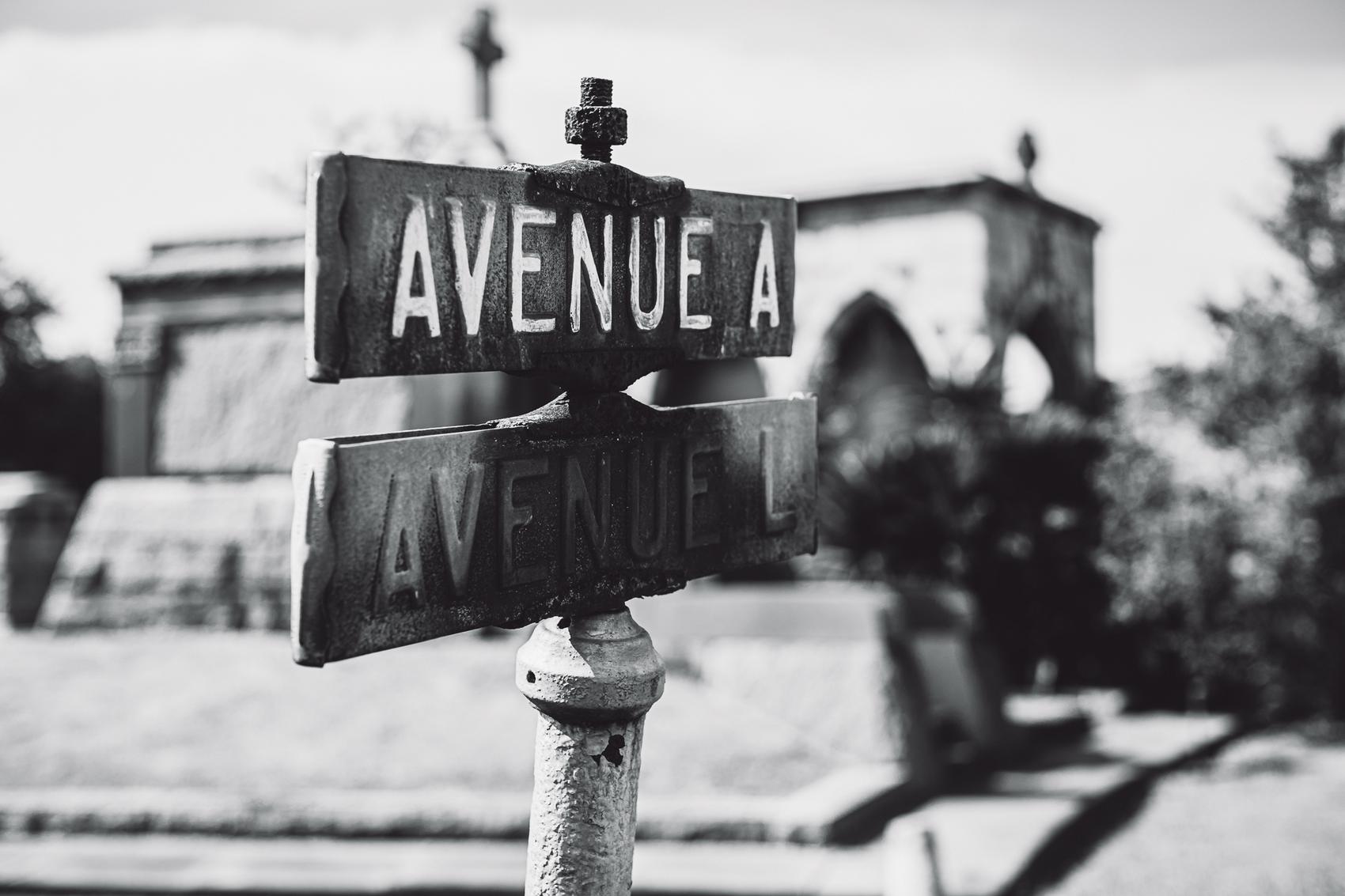
I had picked up an old film camera, a Canon FTb with a 28mm lens at a pawn shop a while back, that just sat on my shelf as a decoration. This summer I finally bought an adapter so I could mount the lens to my Sony A7 IV. I needed somewhere to practice manual focus, and figured that a cemetery would be the perfect place.
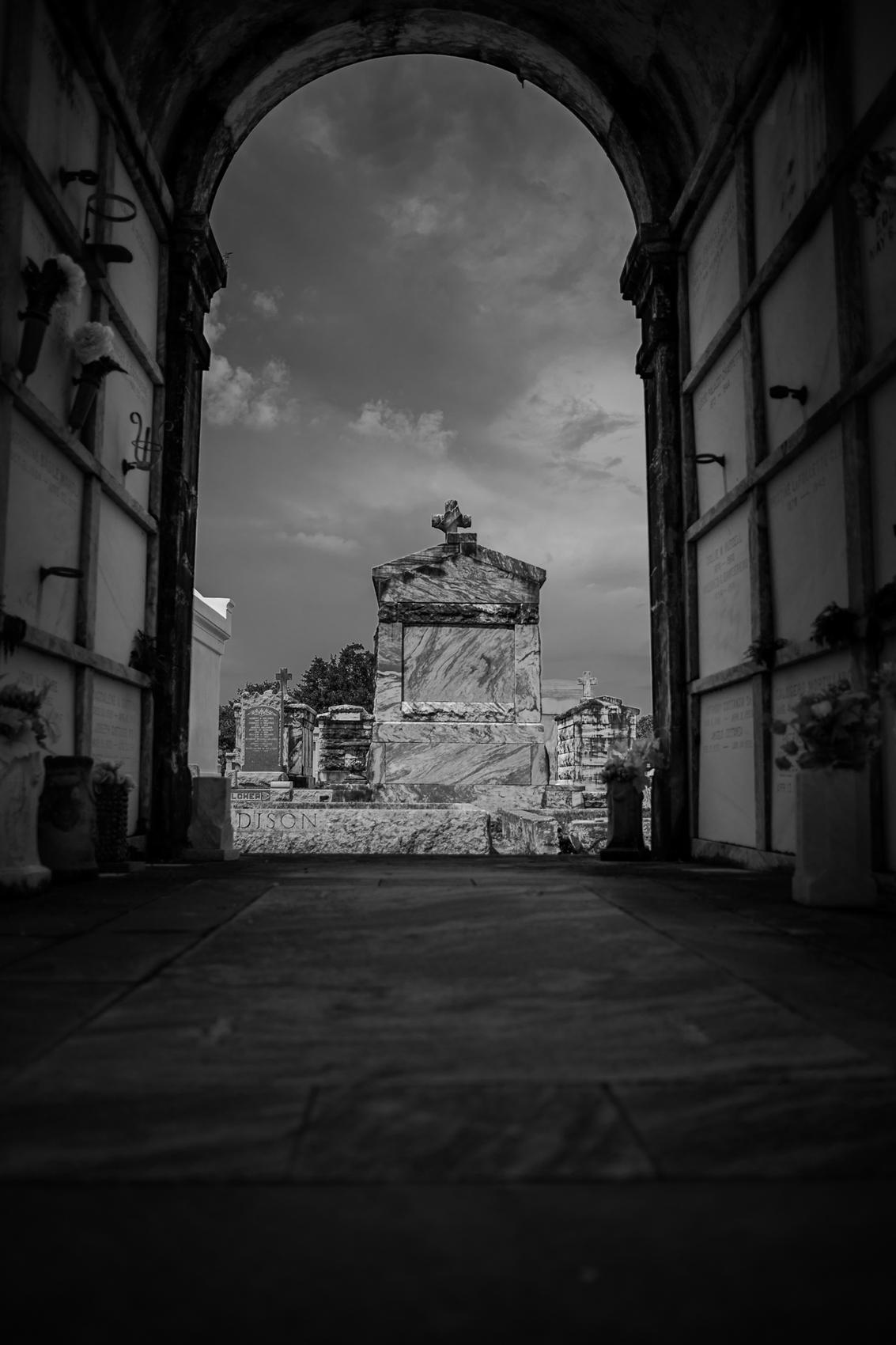
My first visit was in the middle of the afternoon one day in the middle of July, which is about the worst light you can ask for. I shot 36 frames that day and had 35 in focus. I didn’t expect that. It was the first time that I realized that slowing down and having to dial all of the settings, even focus, made me even more connected to the process.
I was hooked. What was supposed to be a one-off practice run turned into spending most of my Sundays at the cemetery for the rest of the summer.
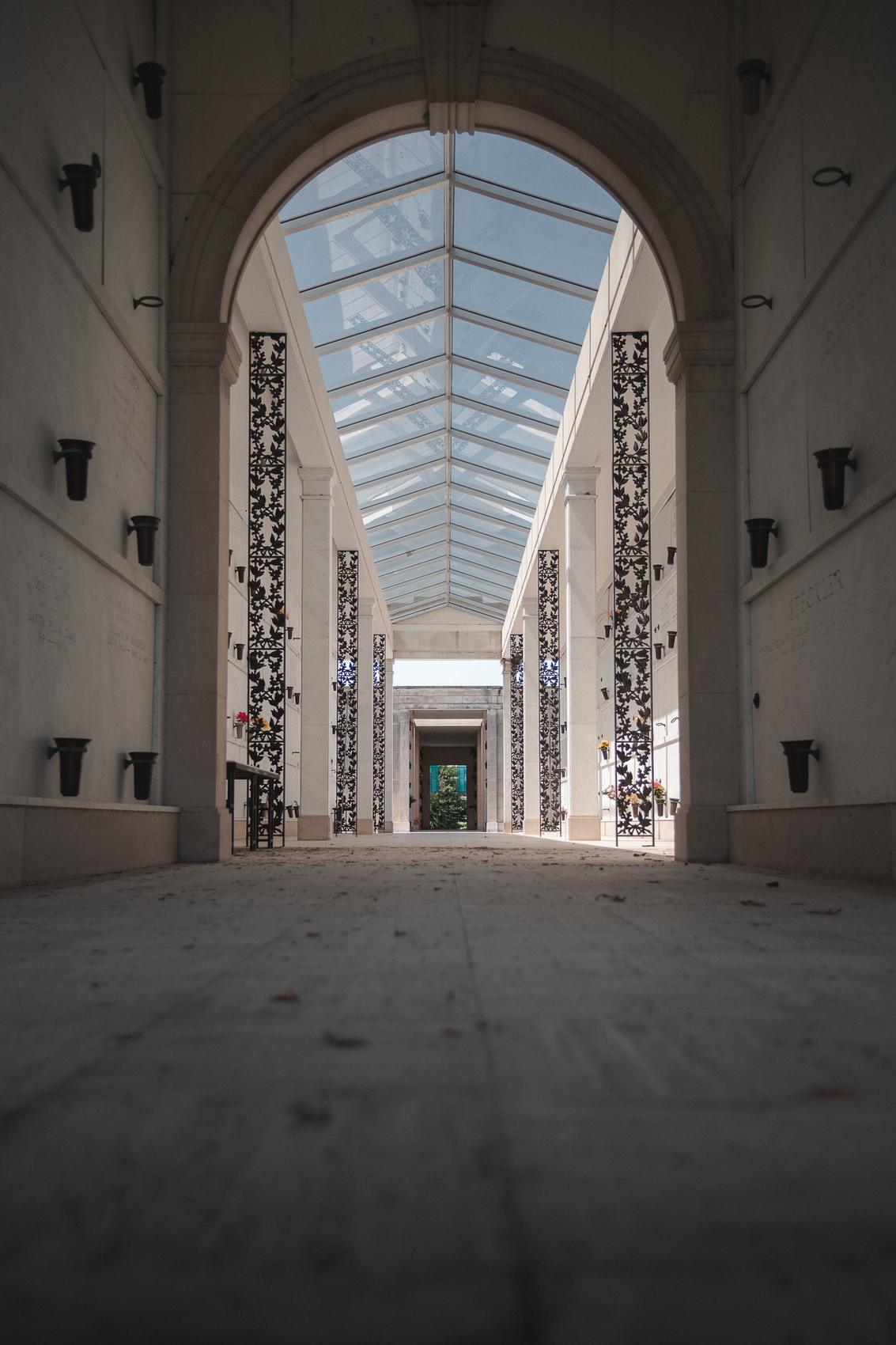
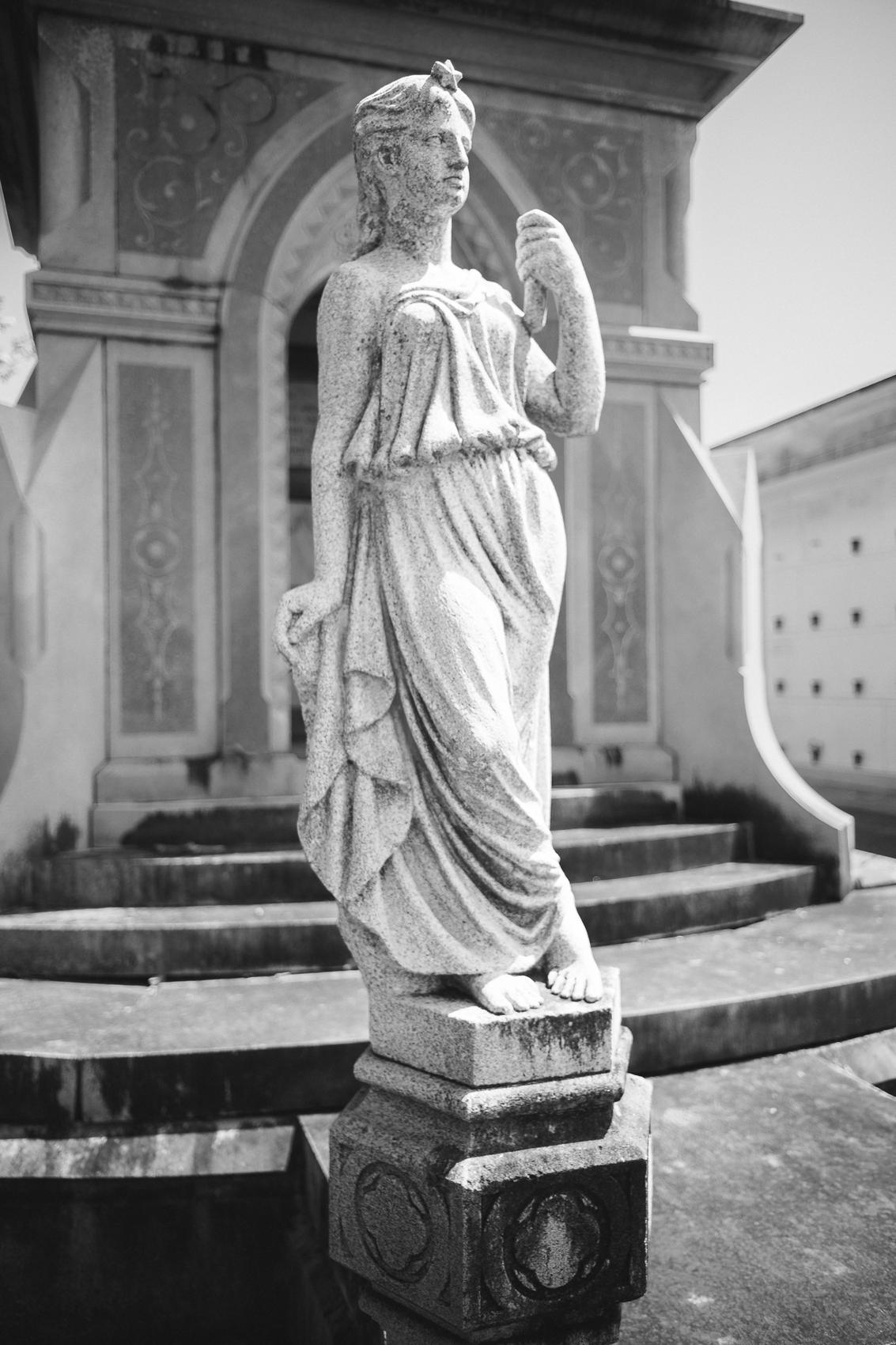
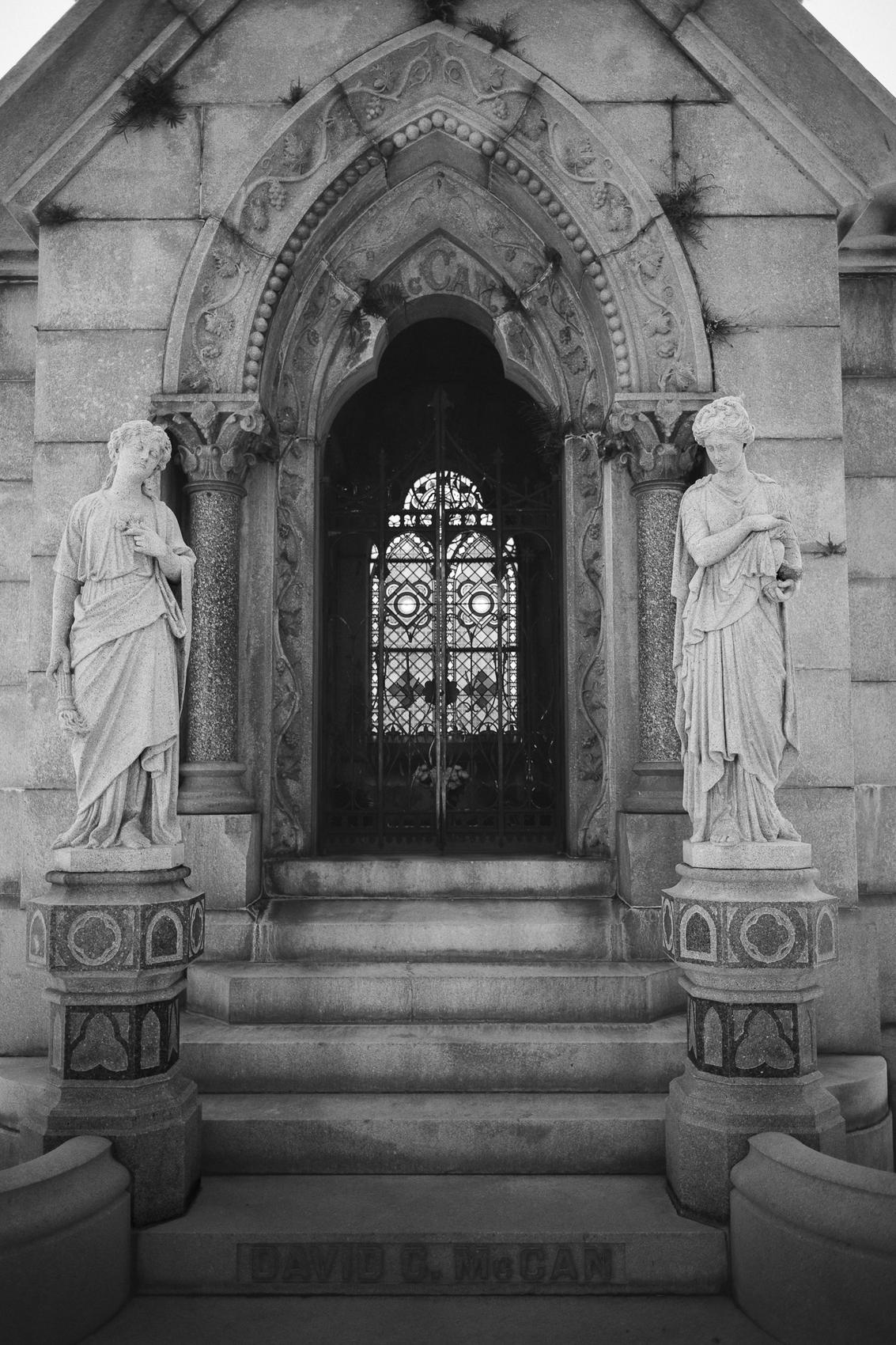
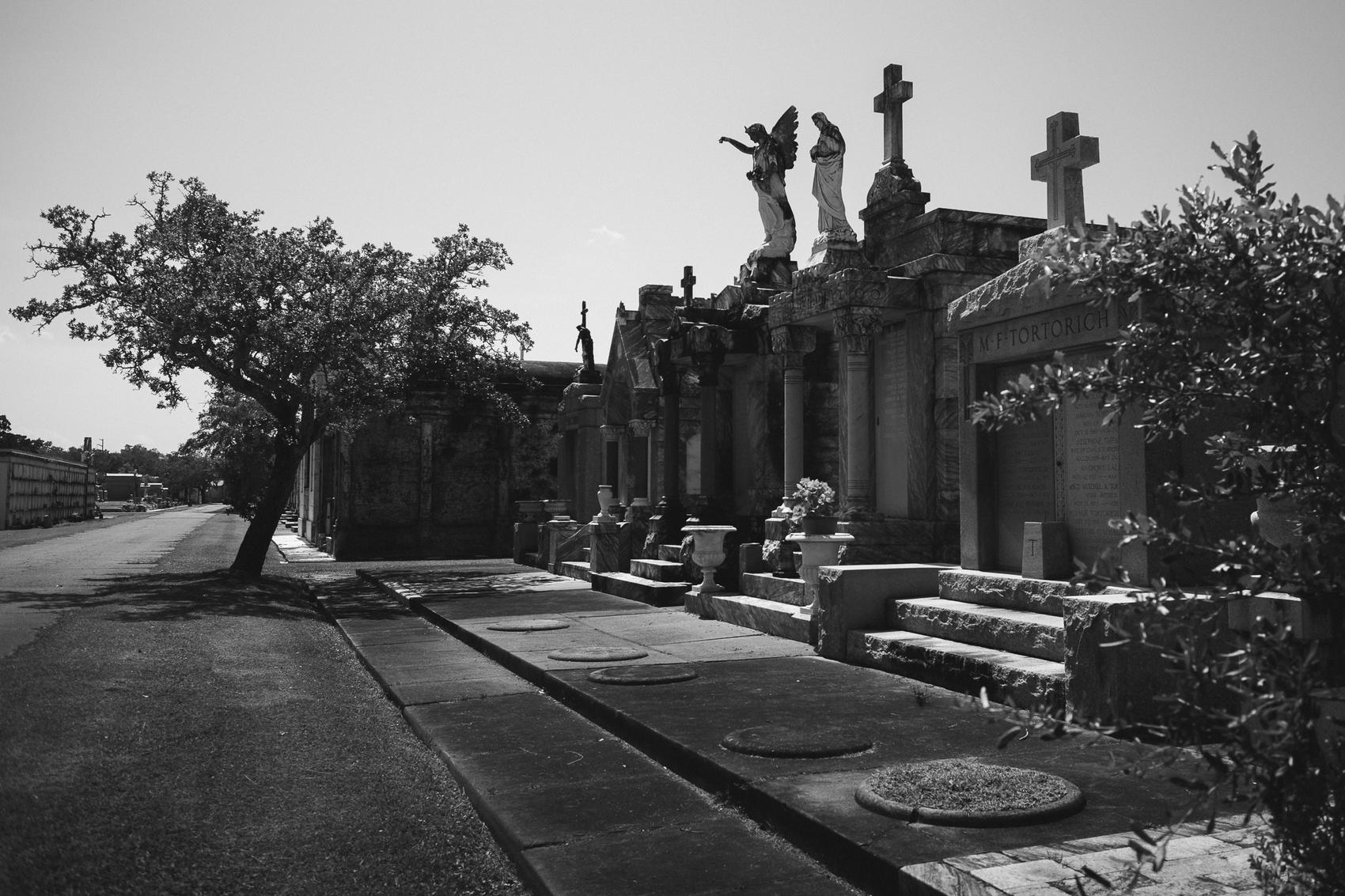
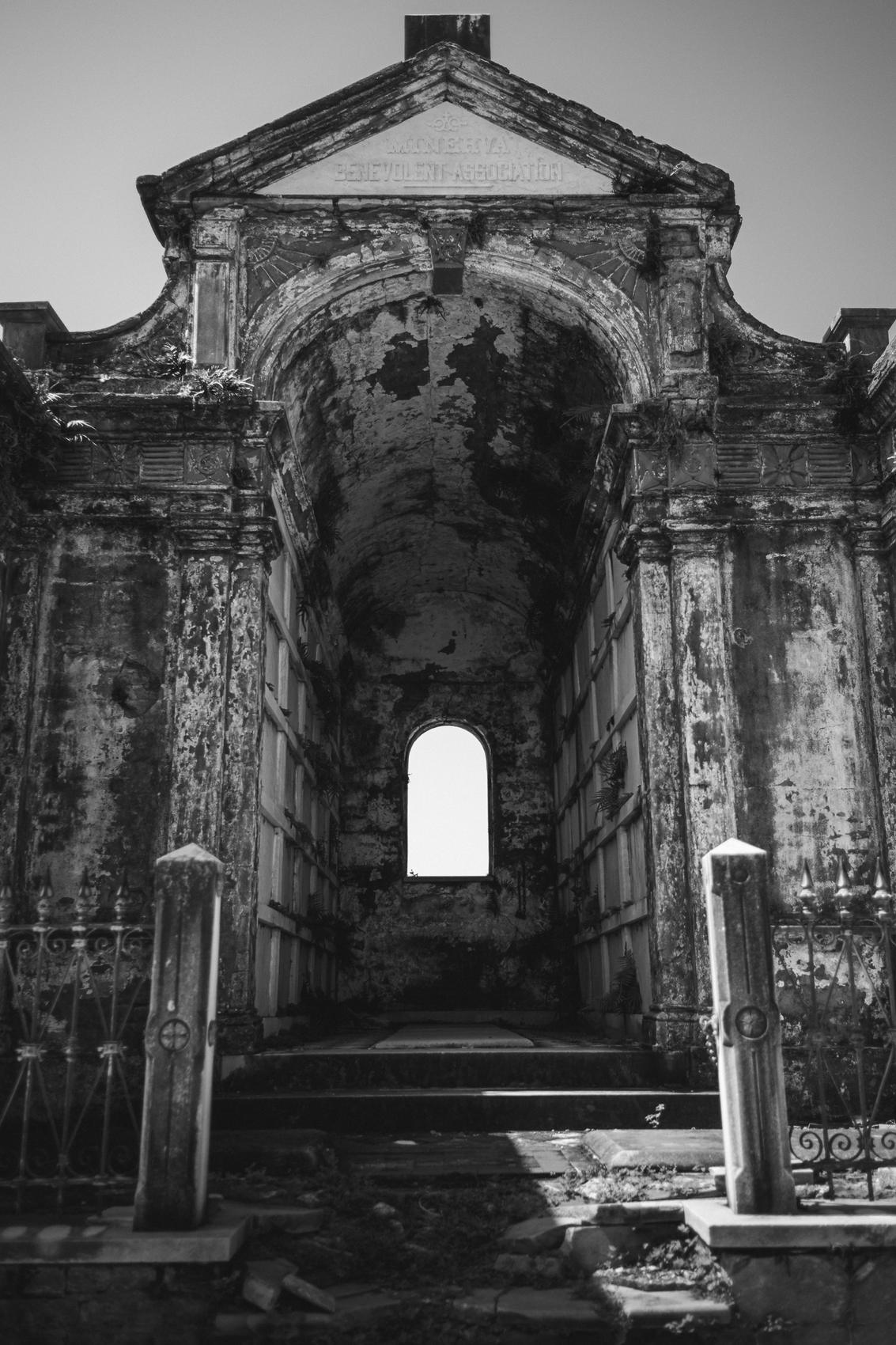
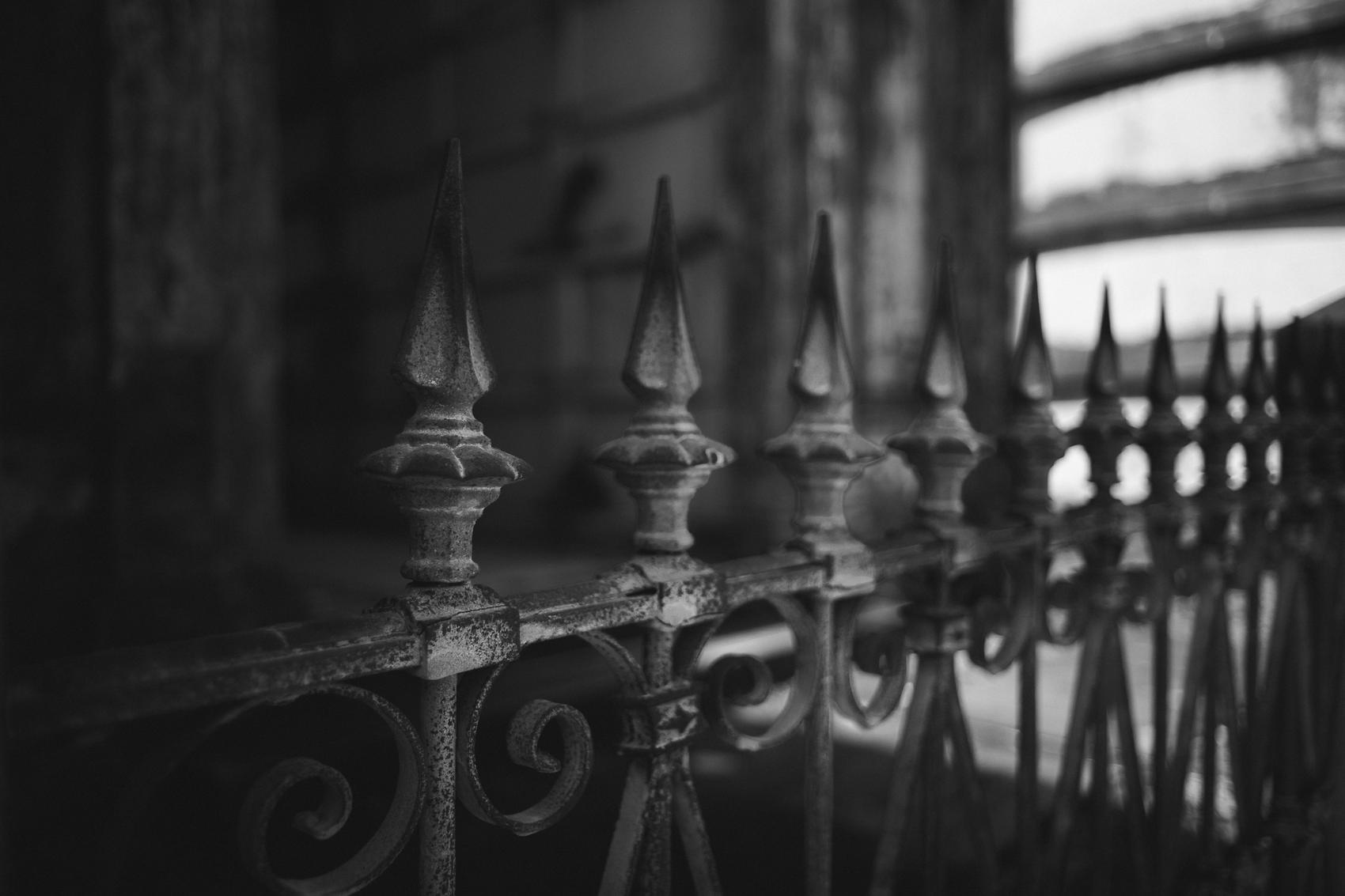
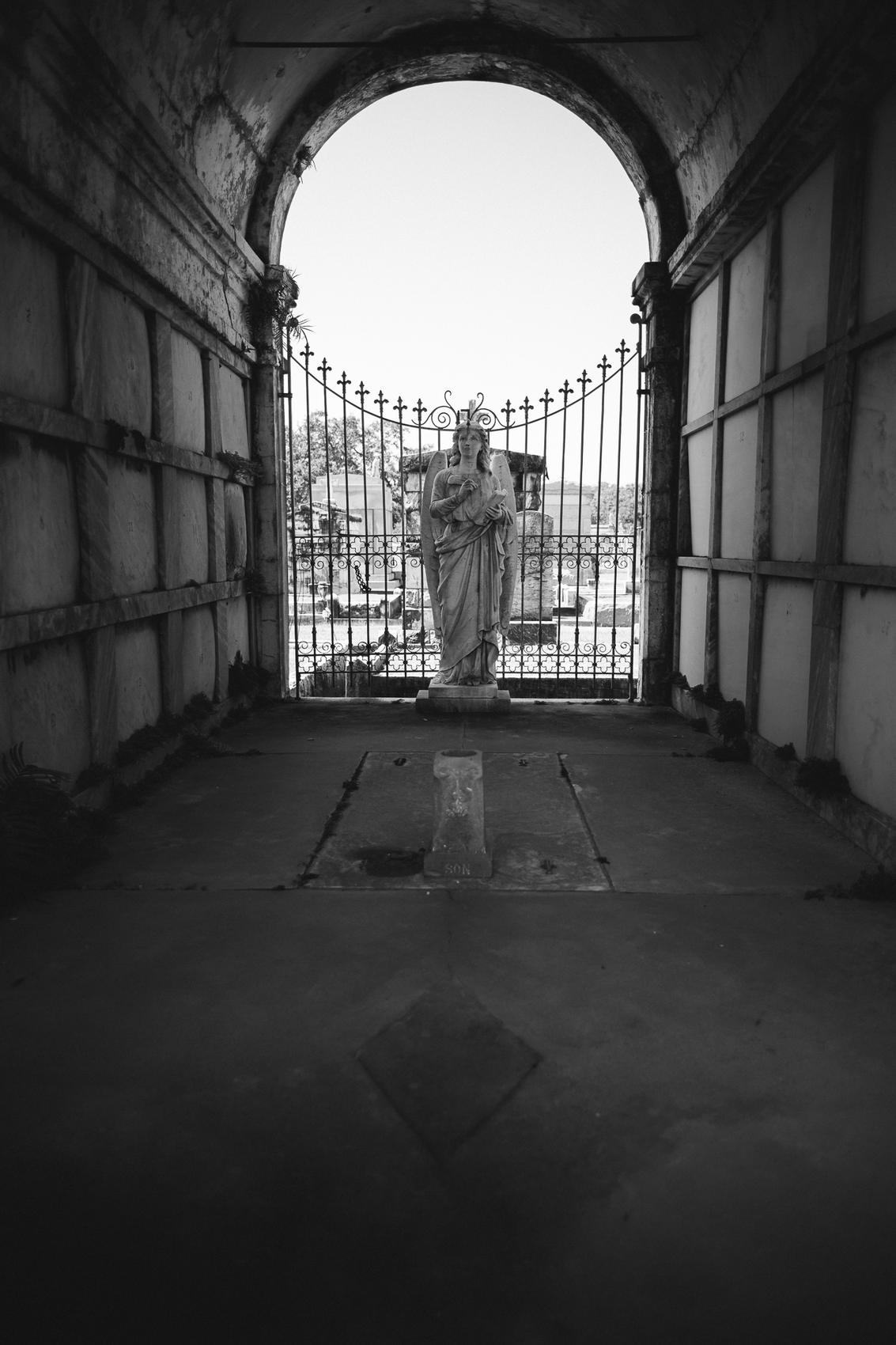
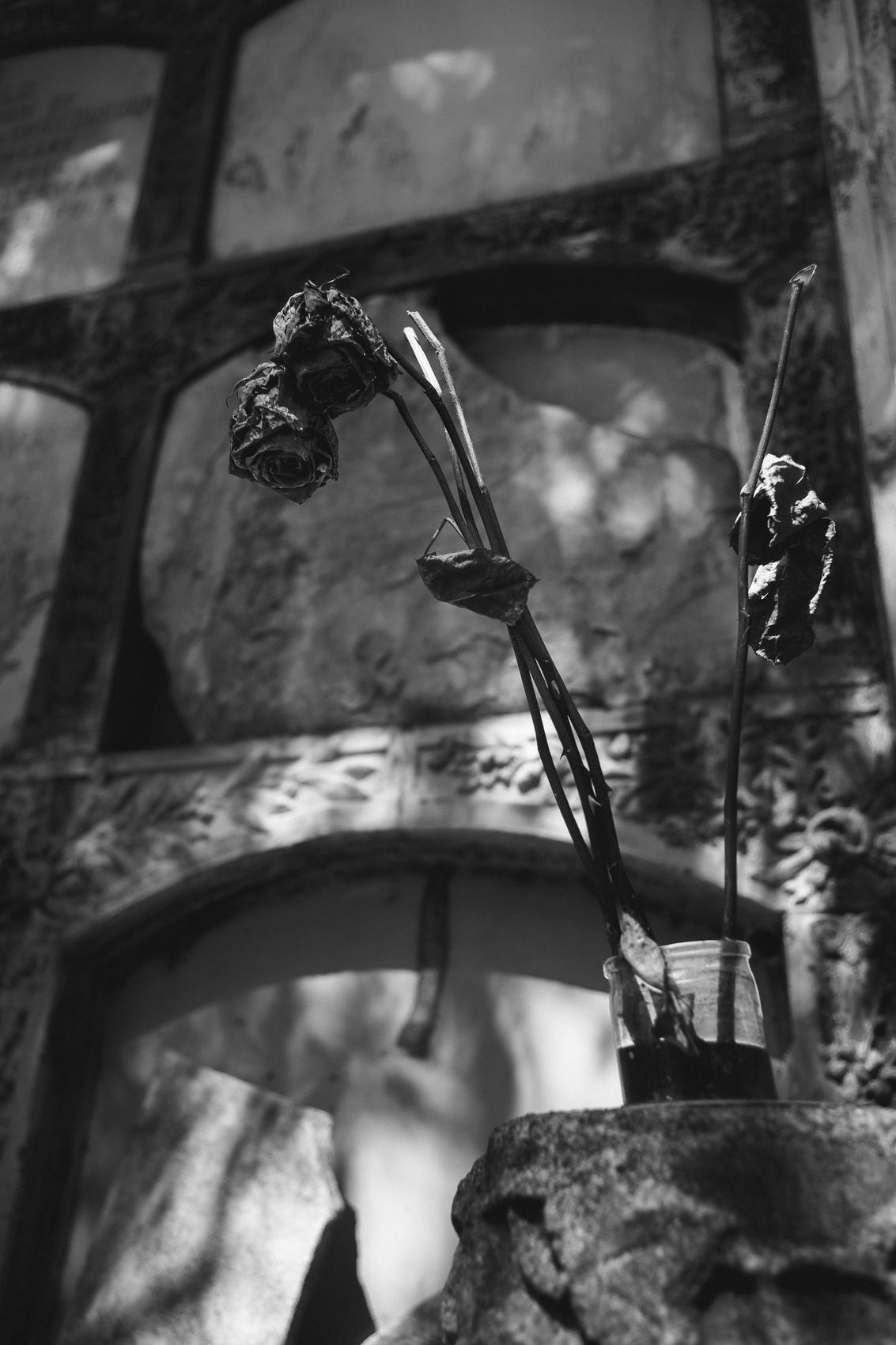
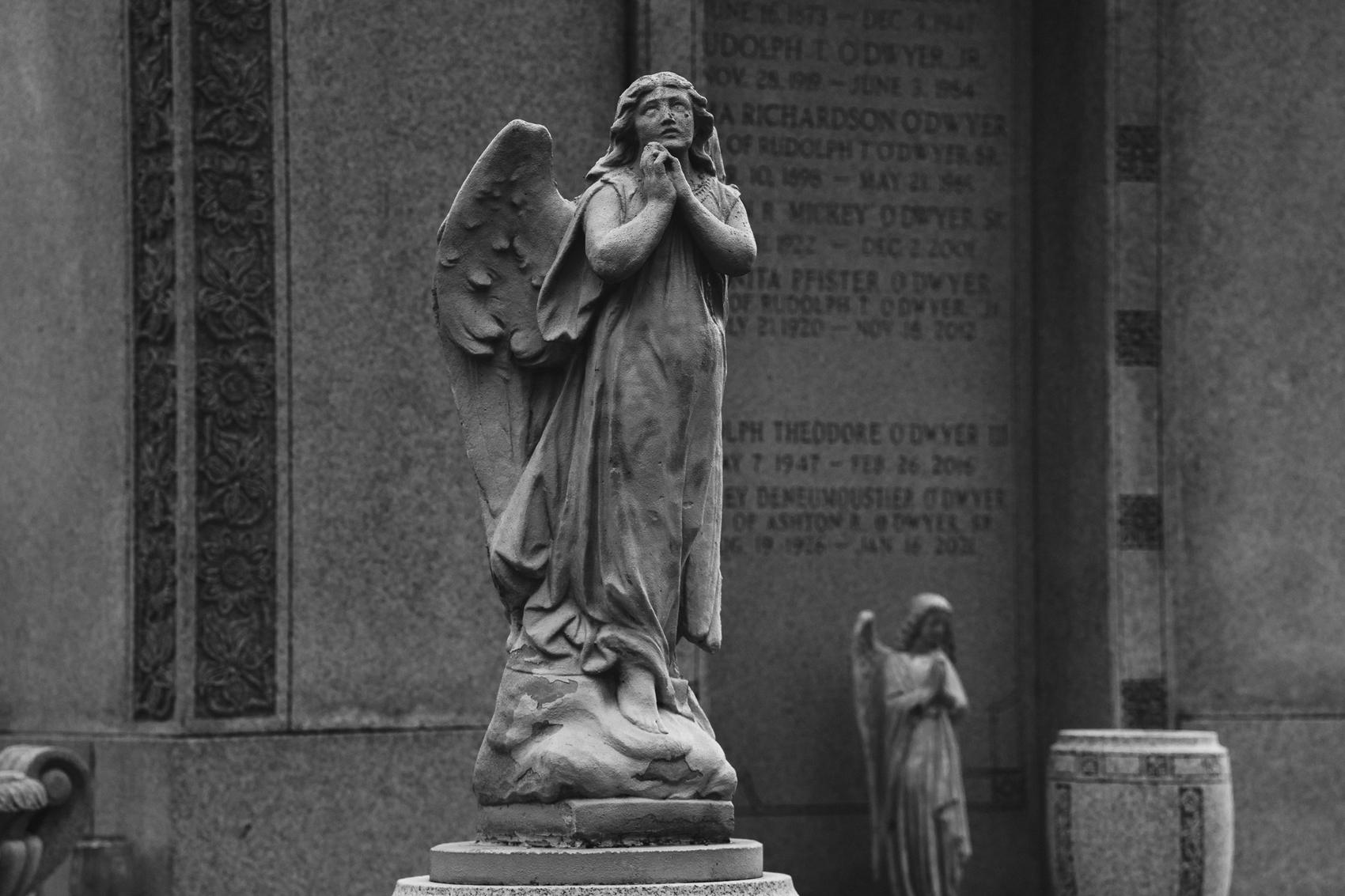
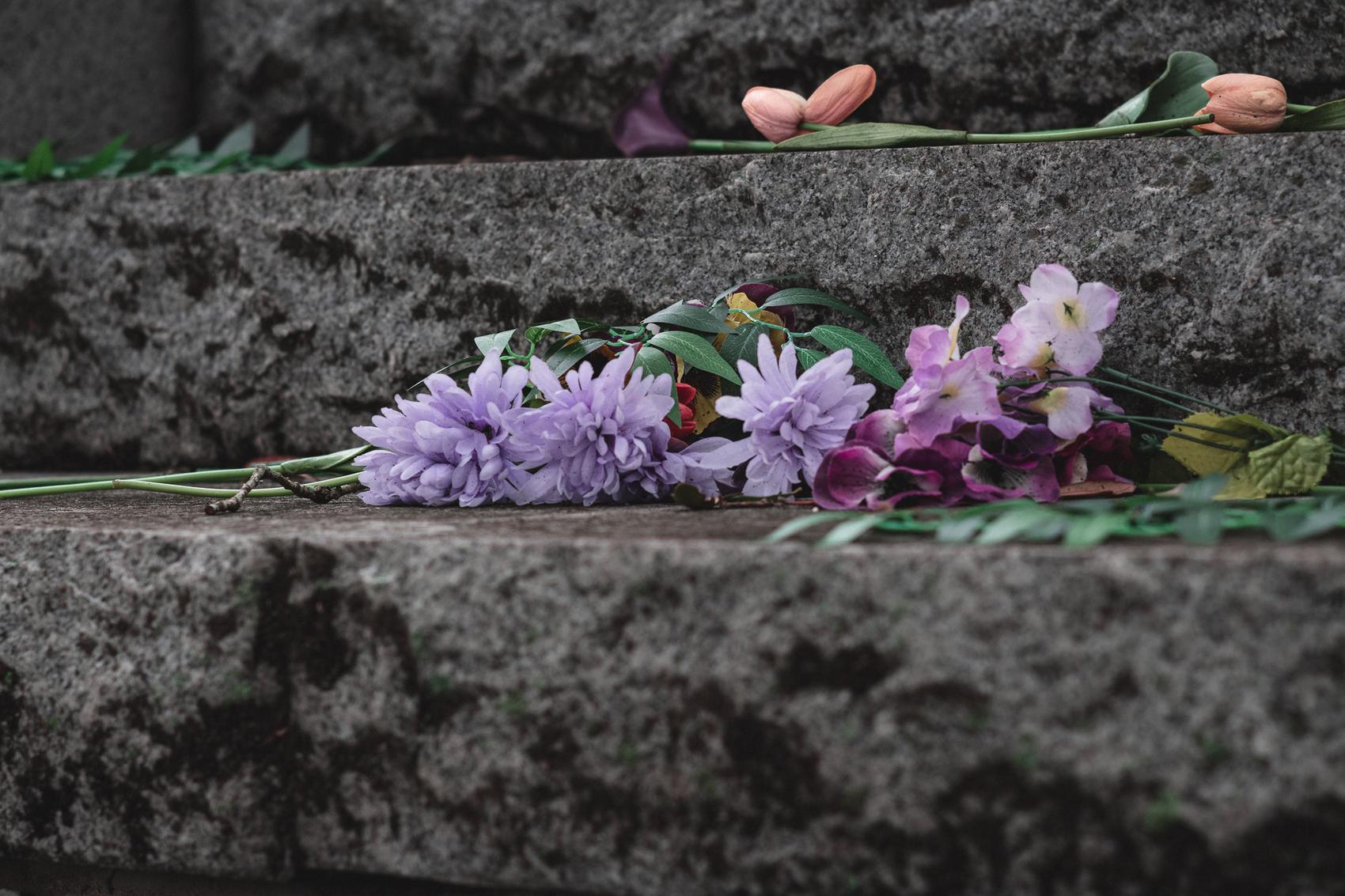
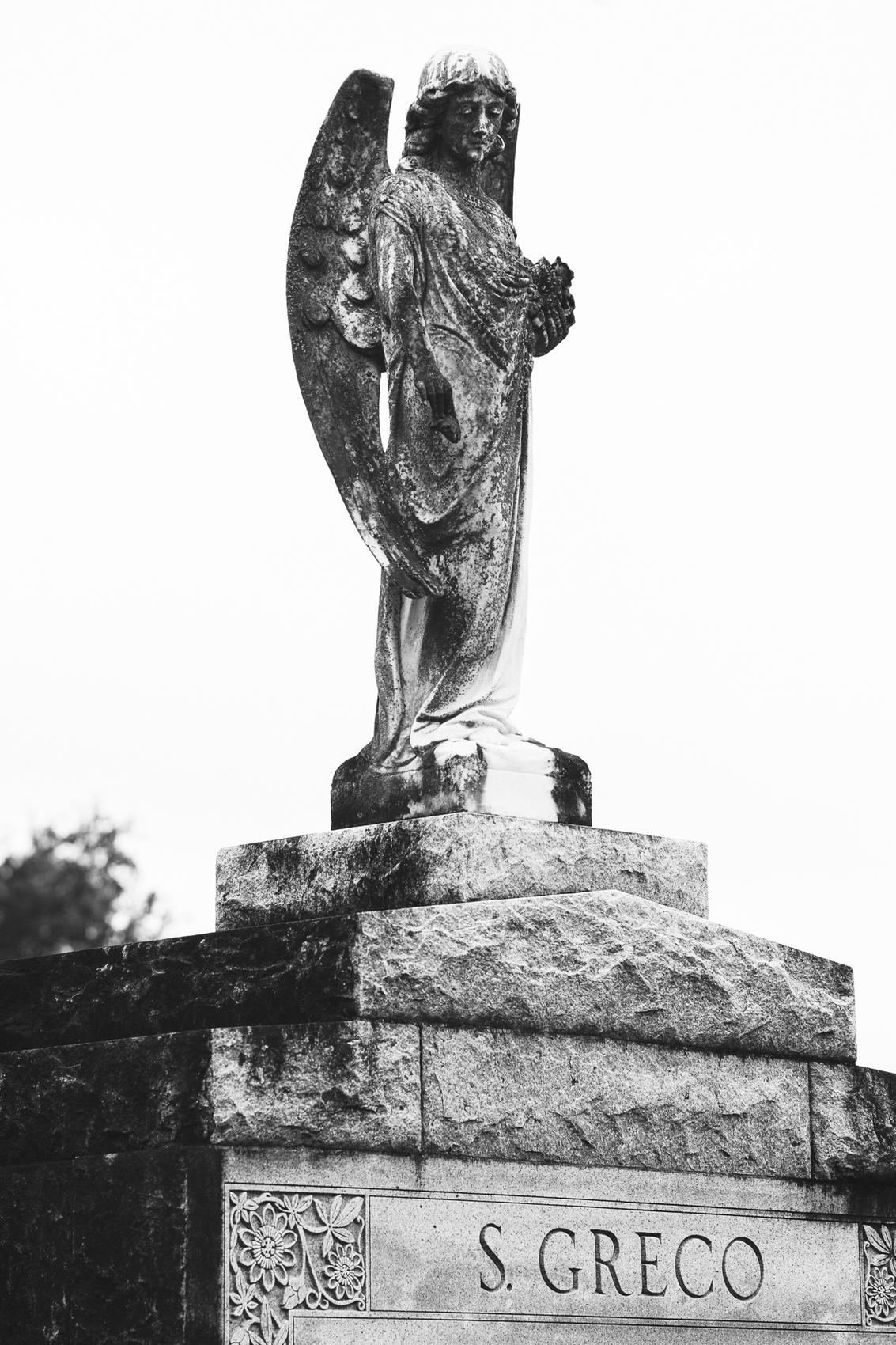
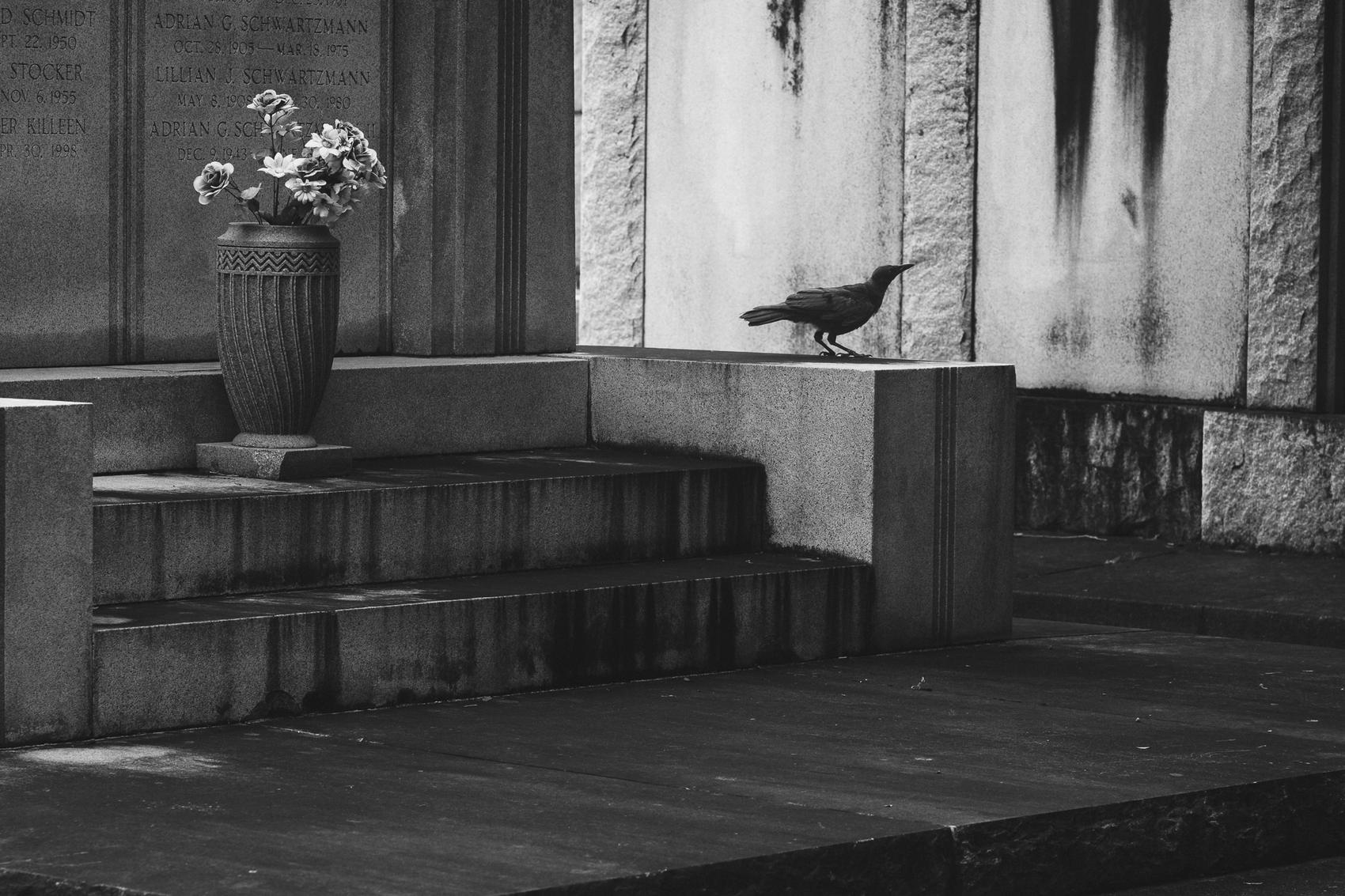
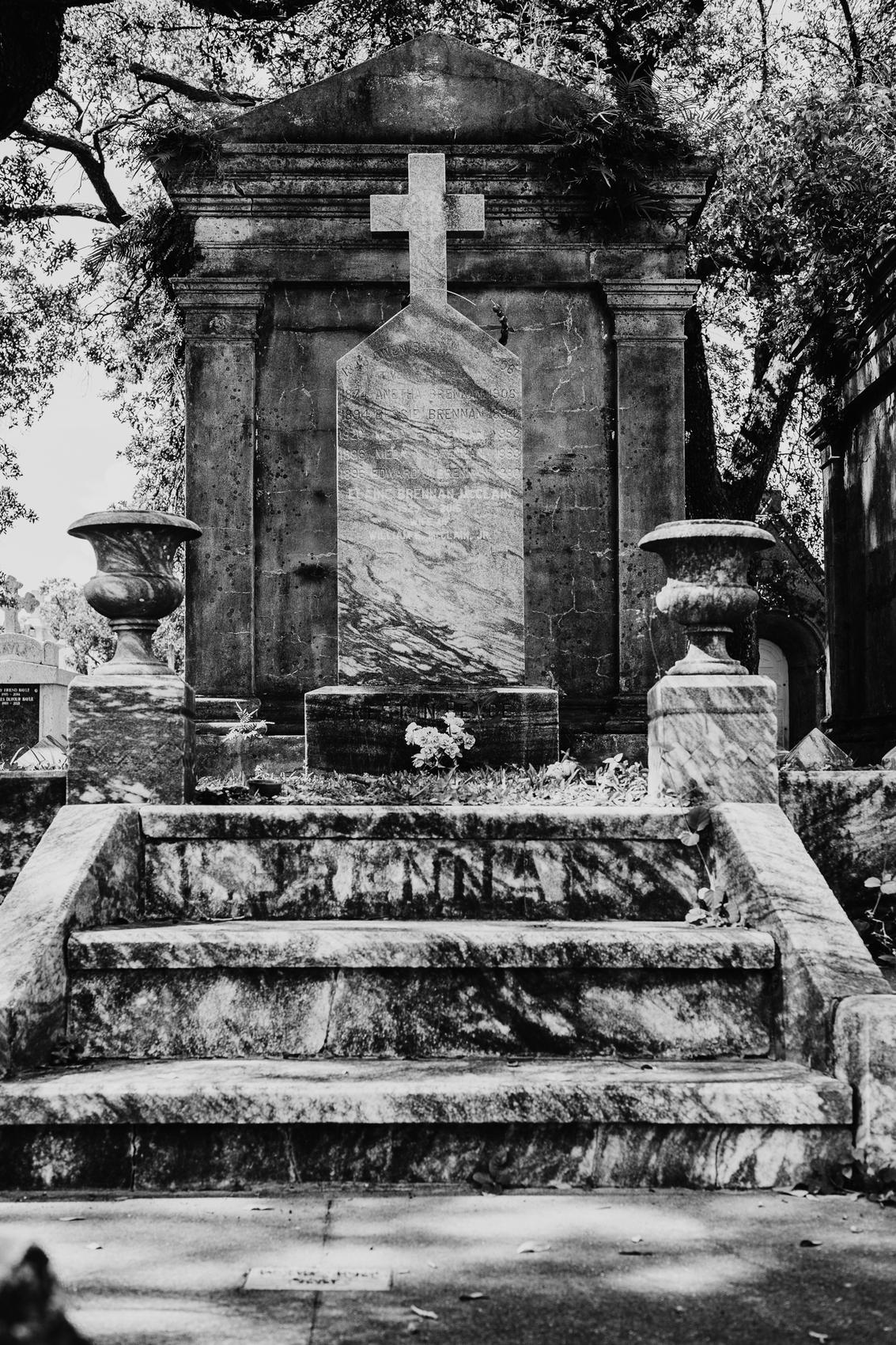
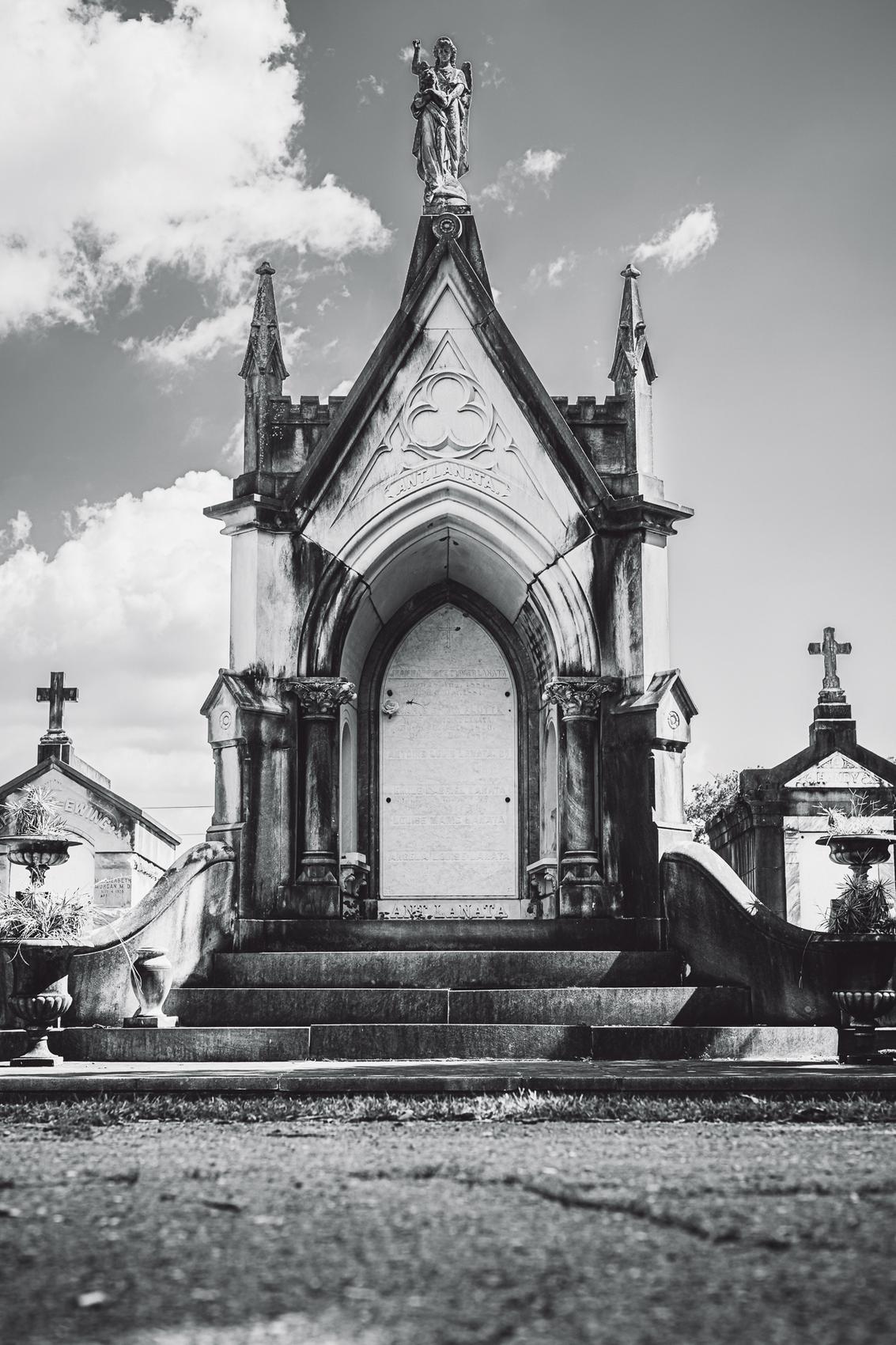
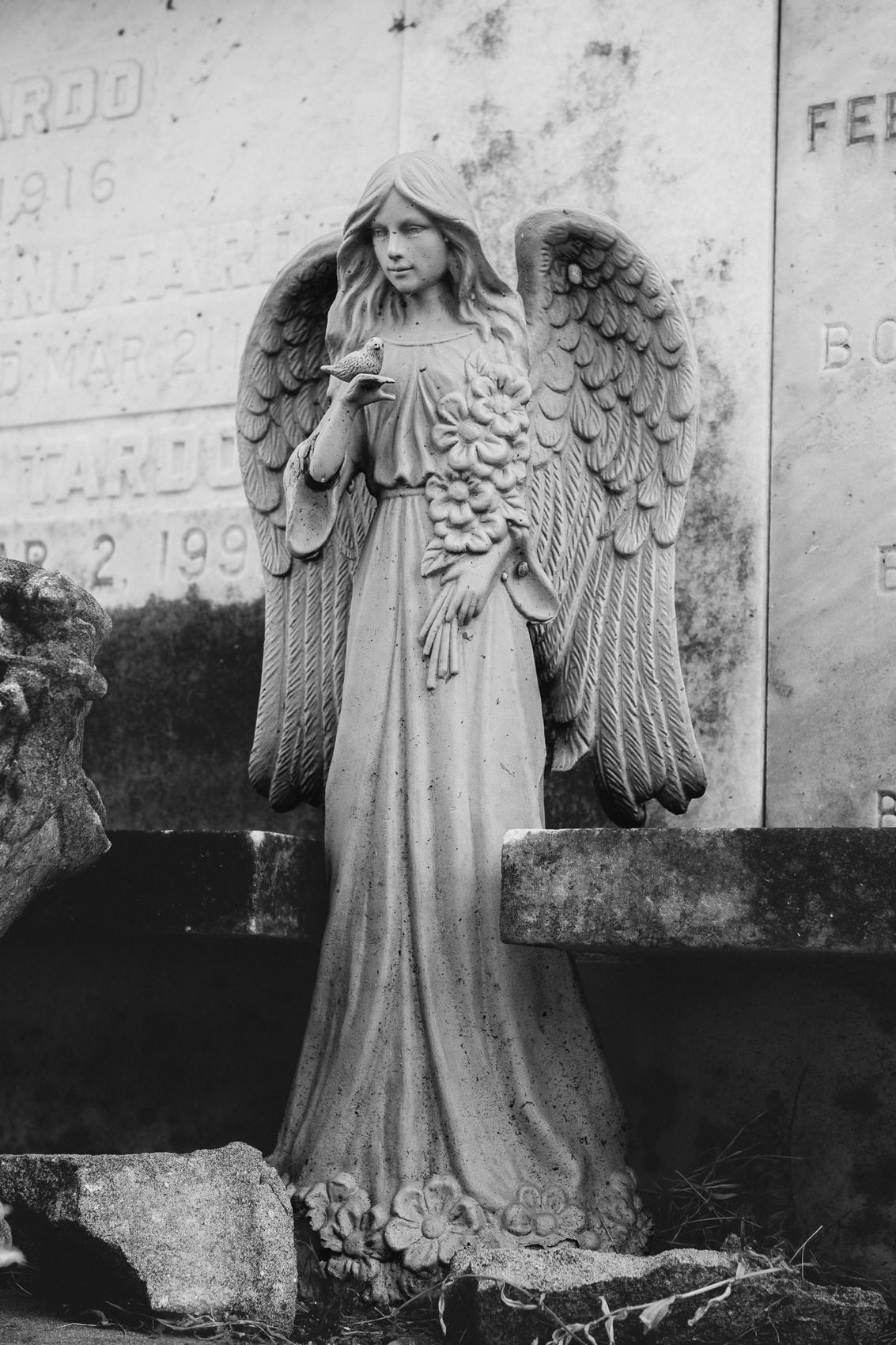
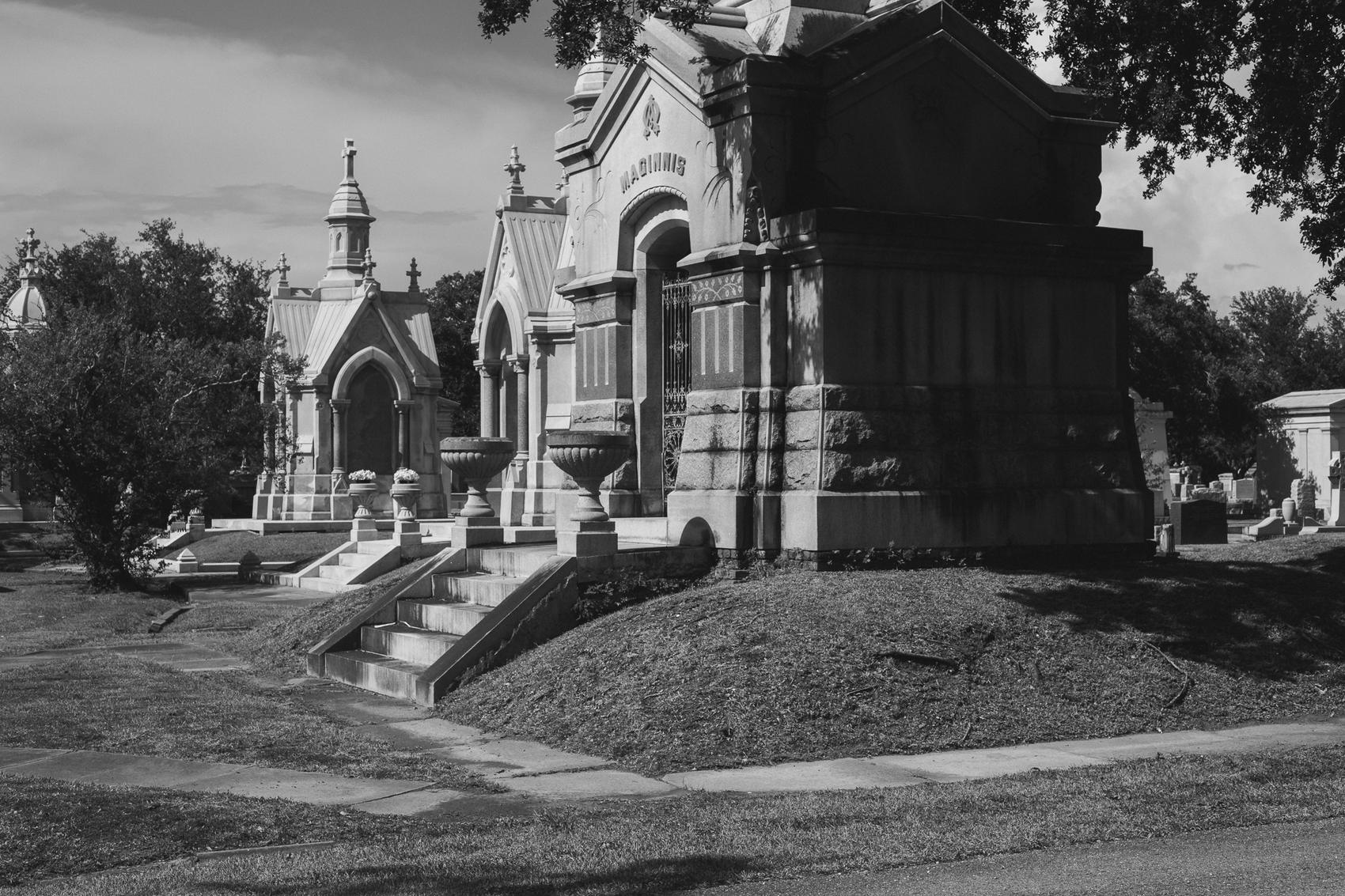
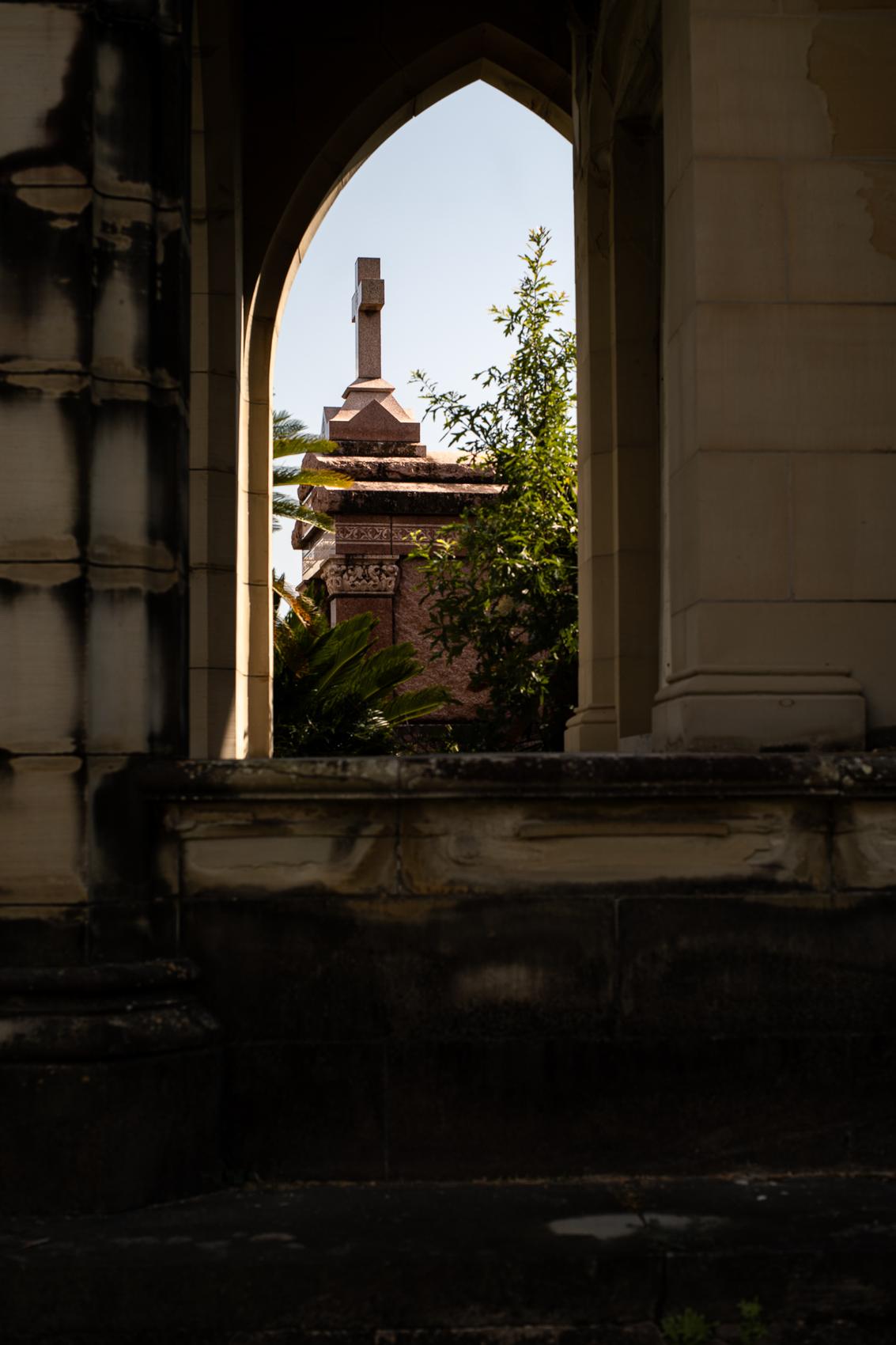
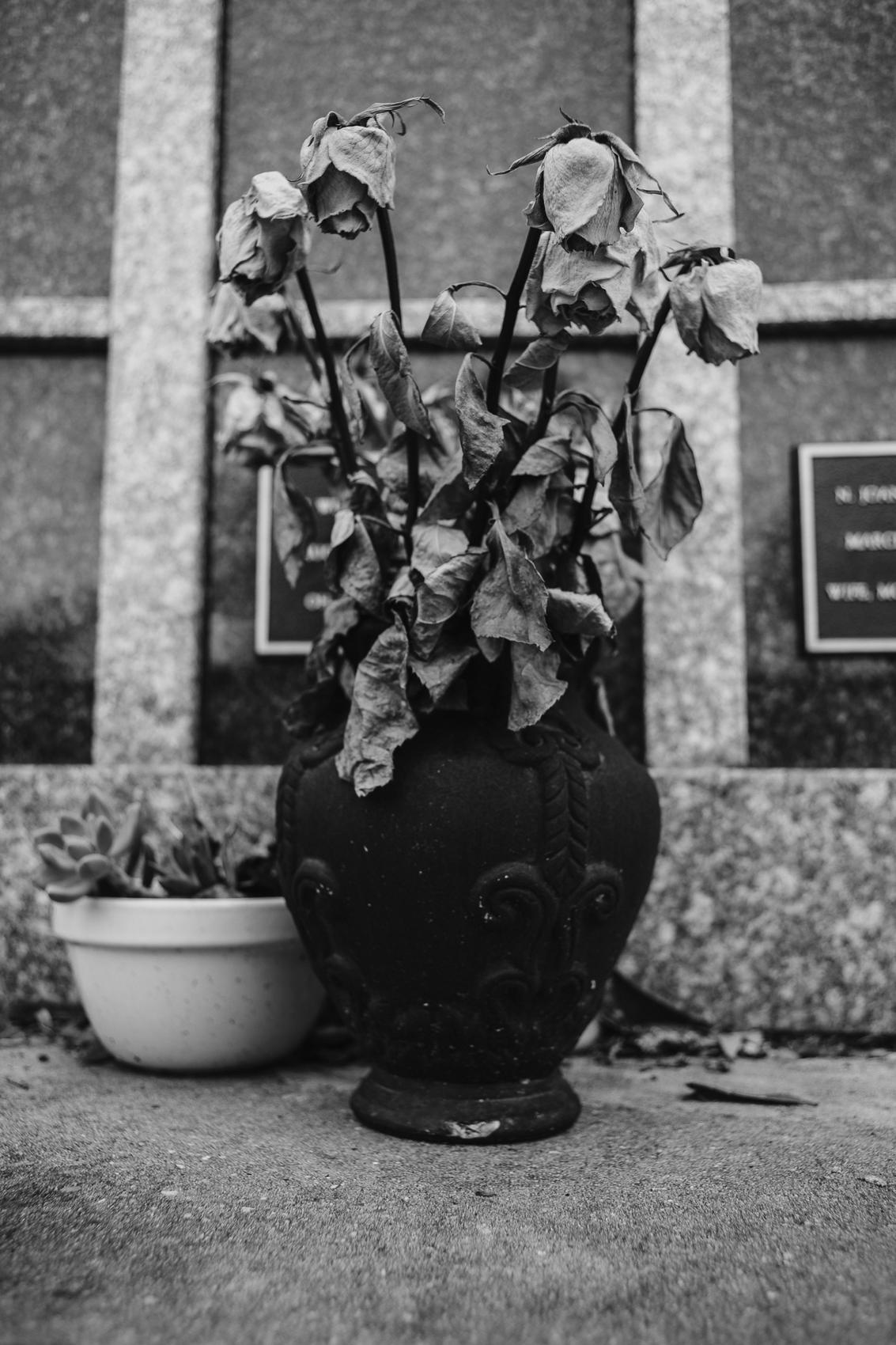
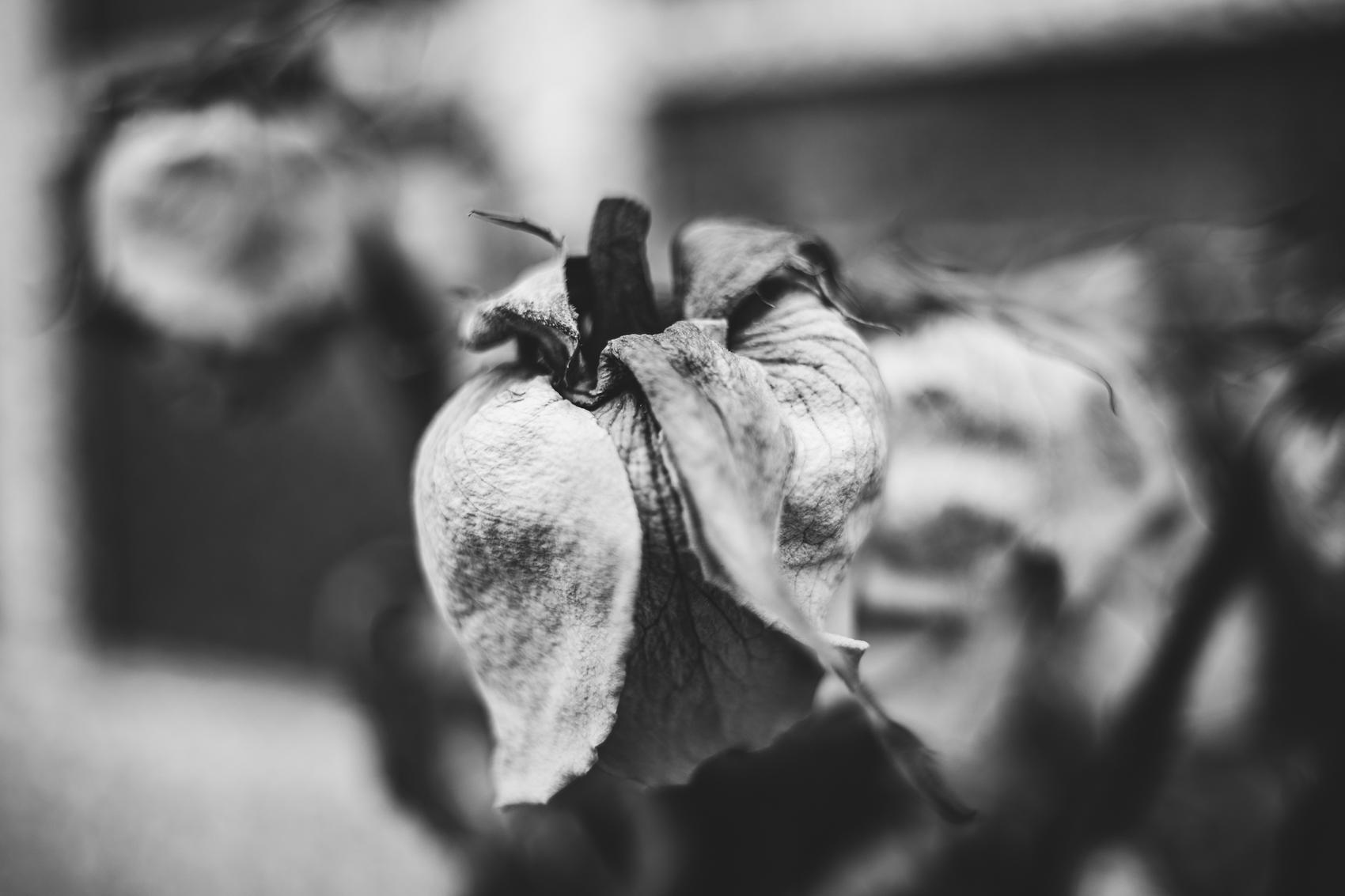
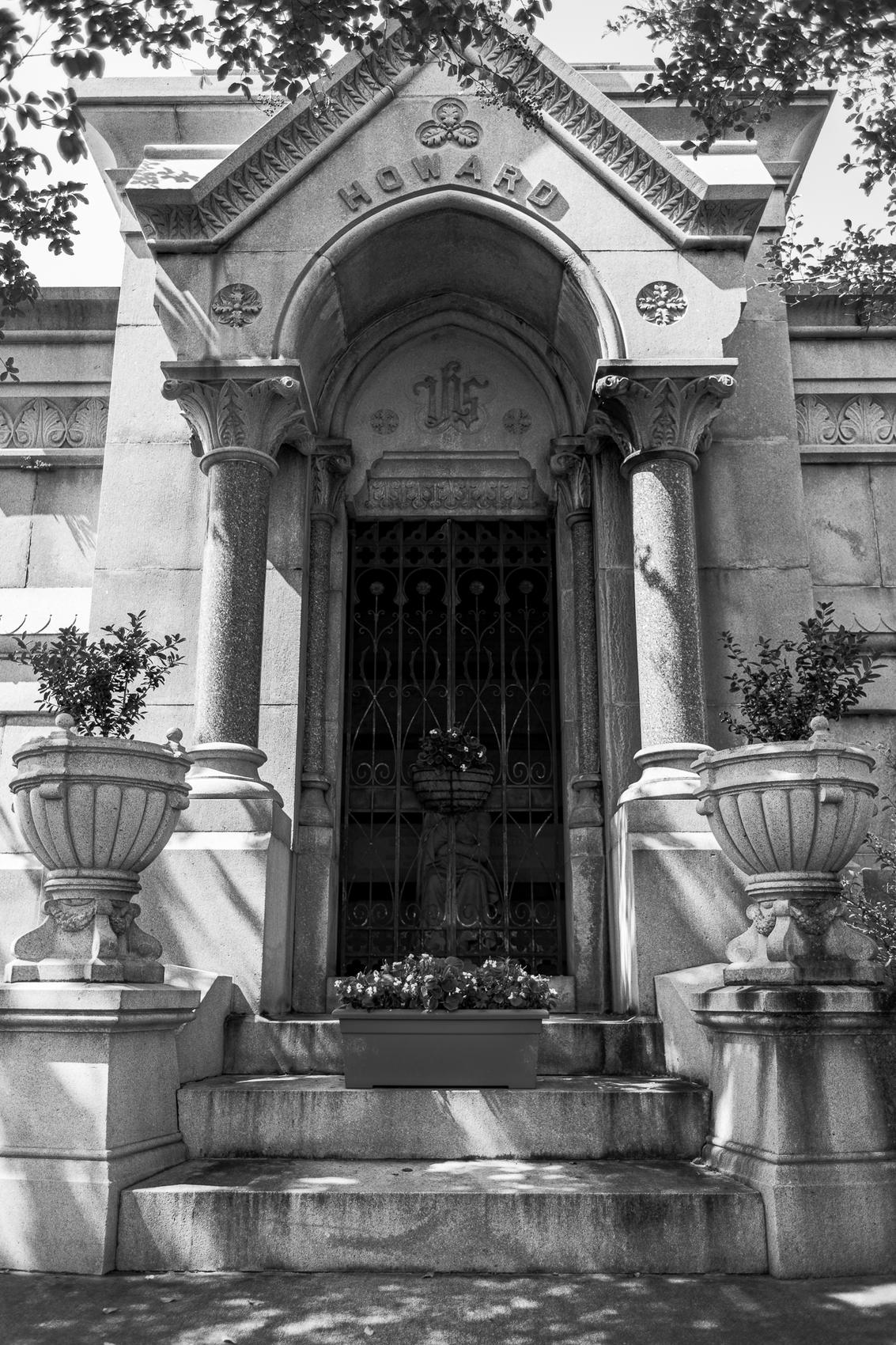
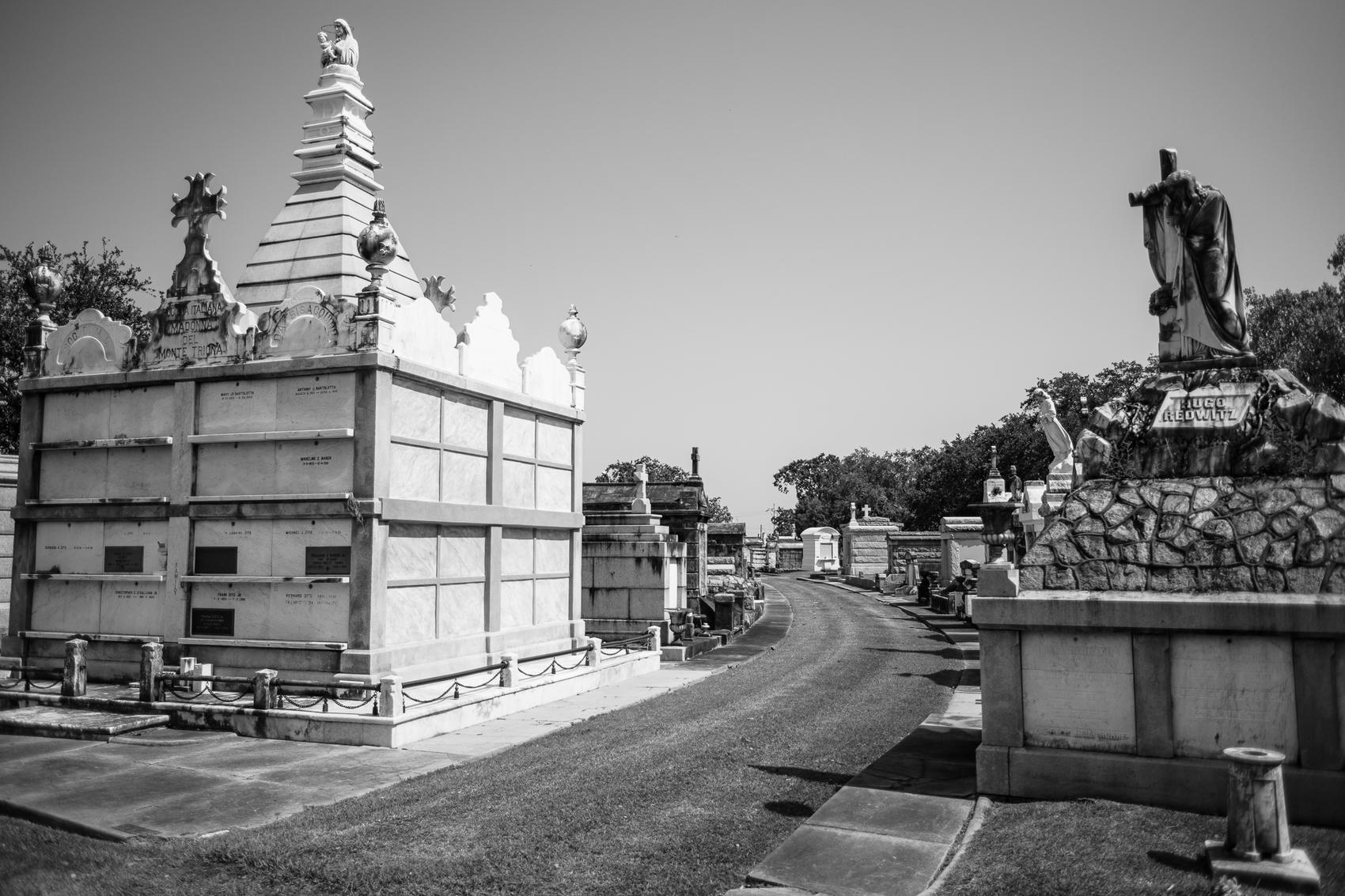
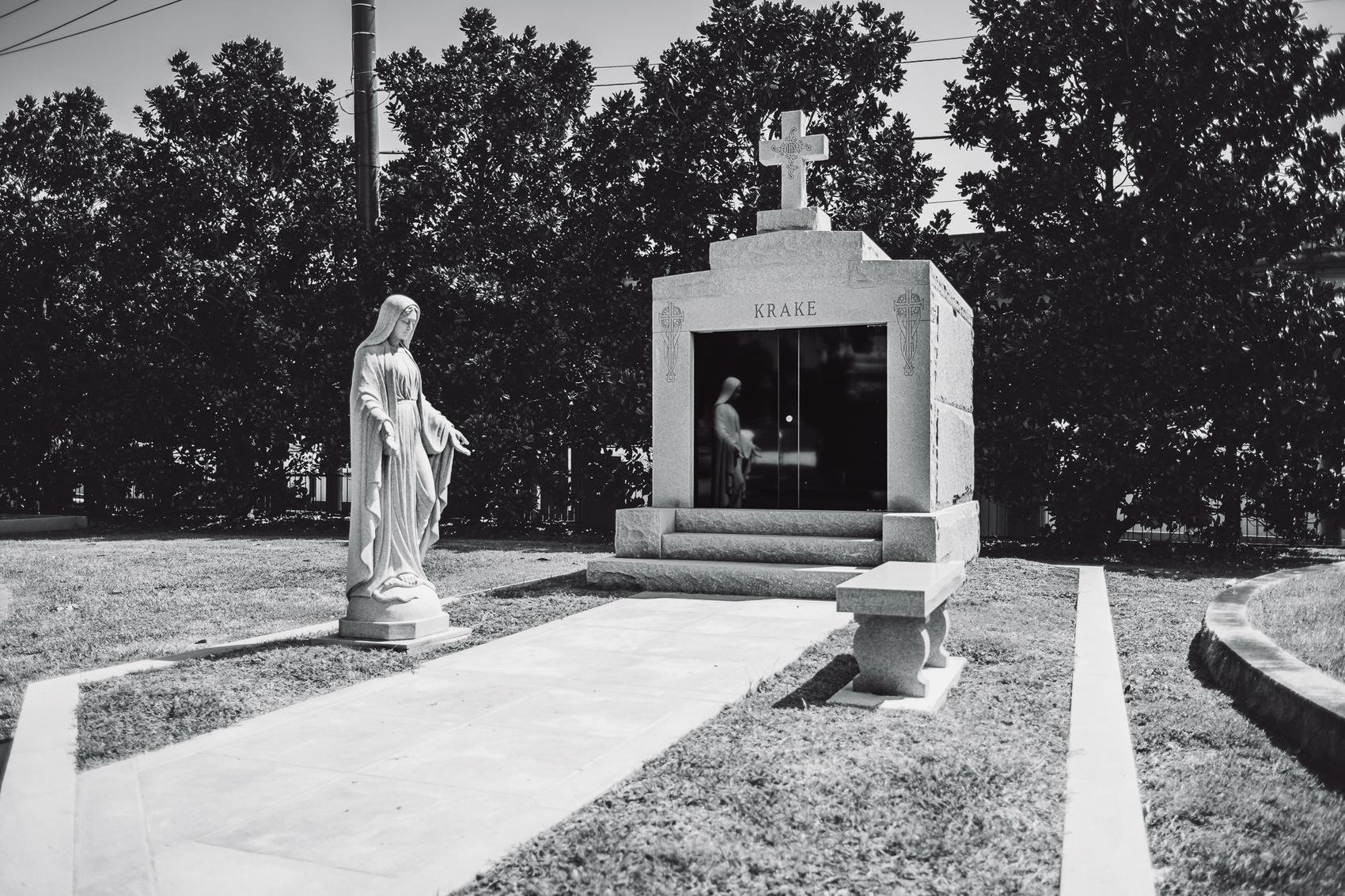
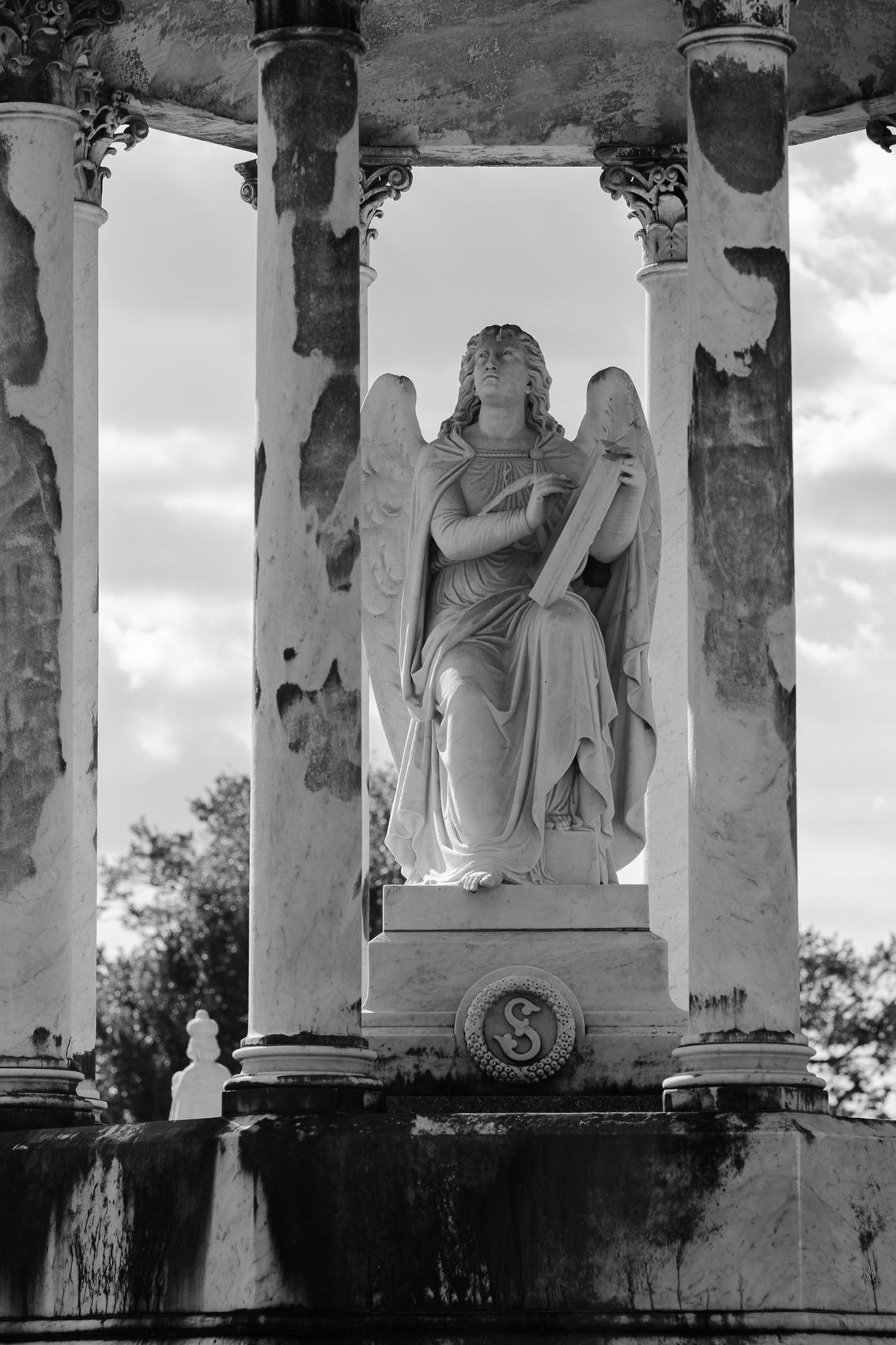
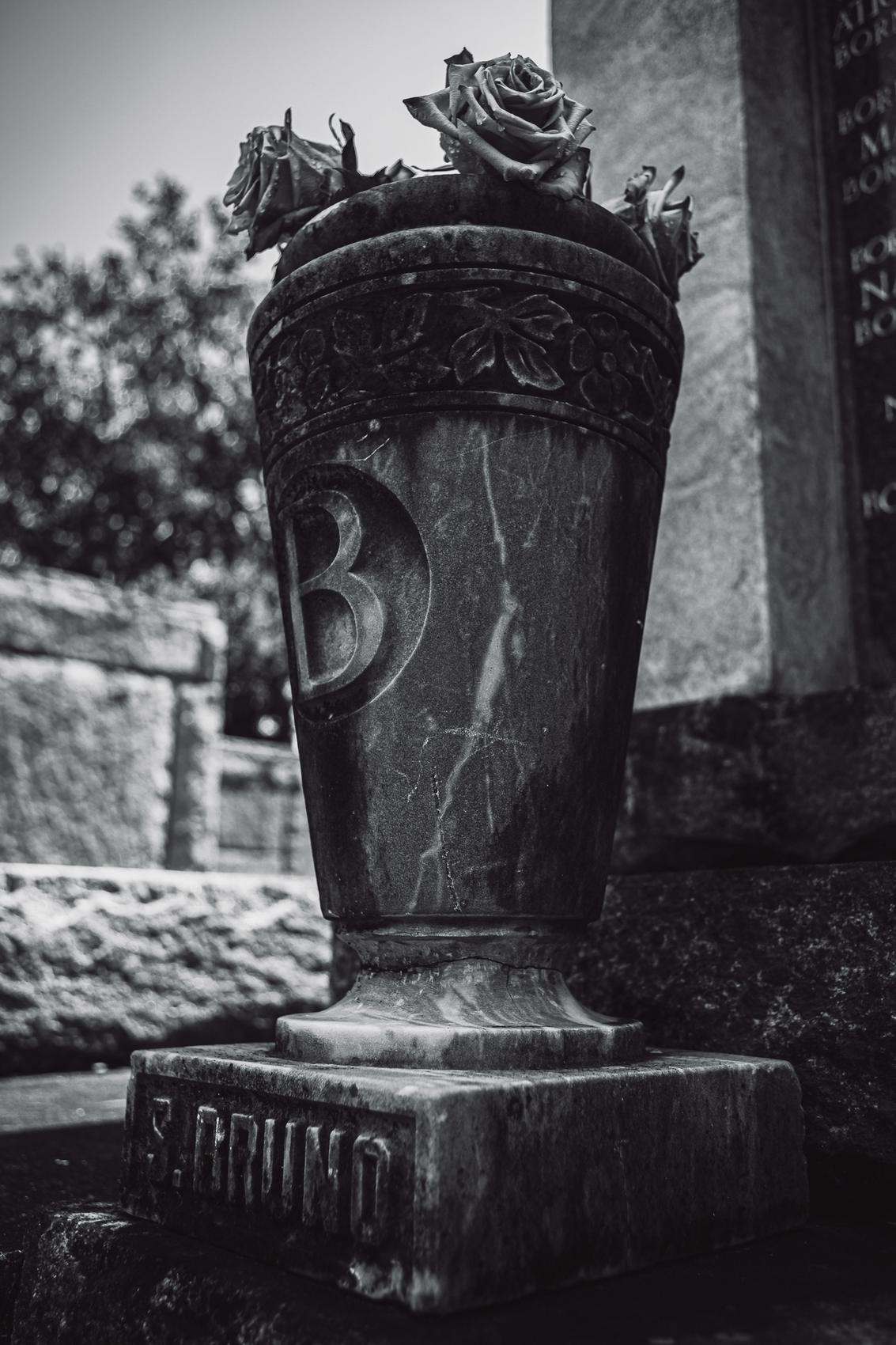
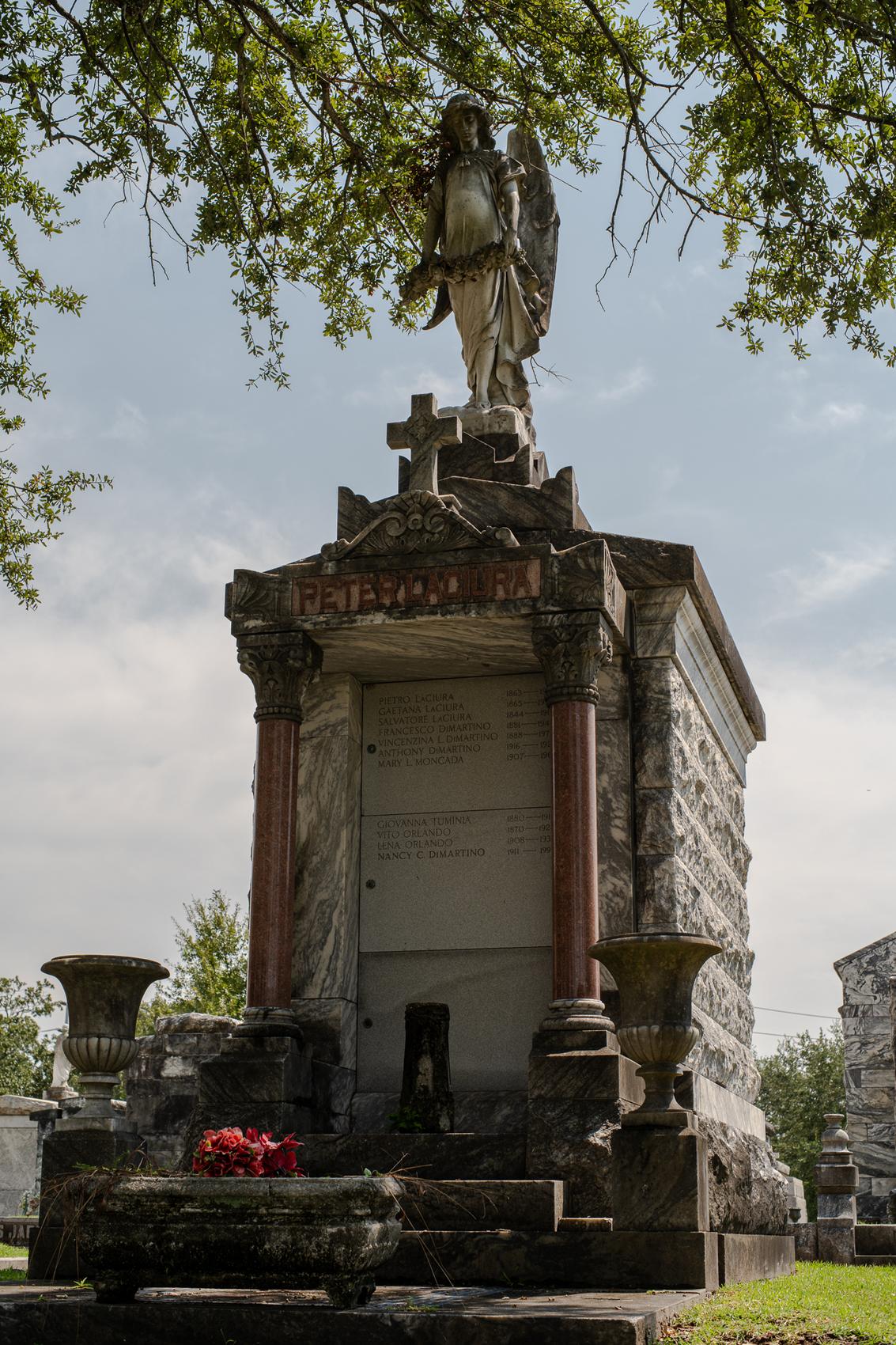
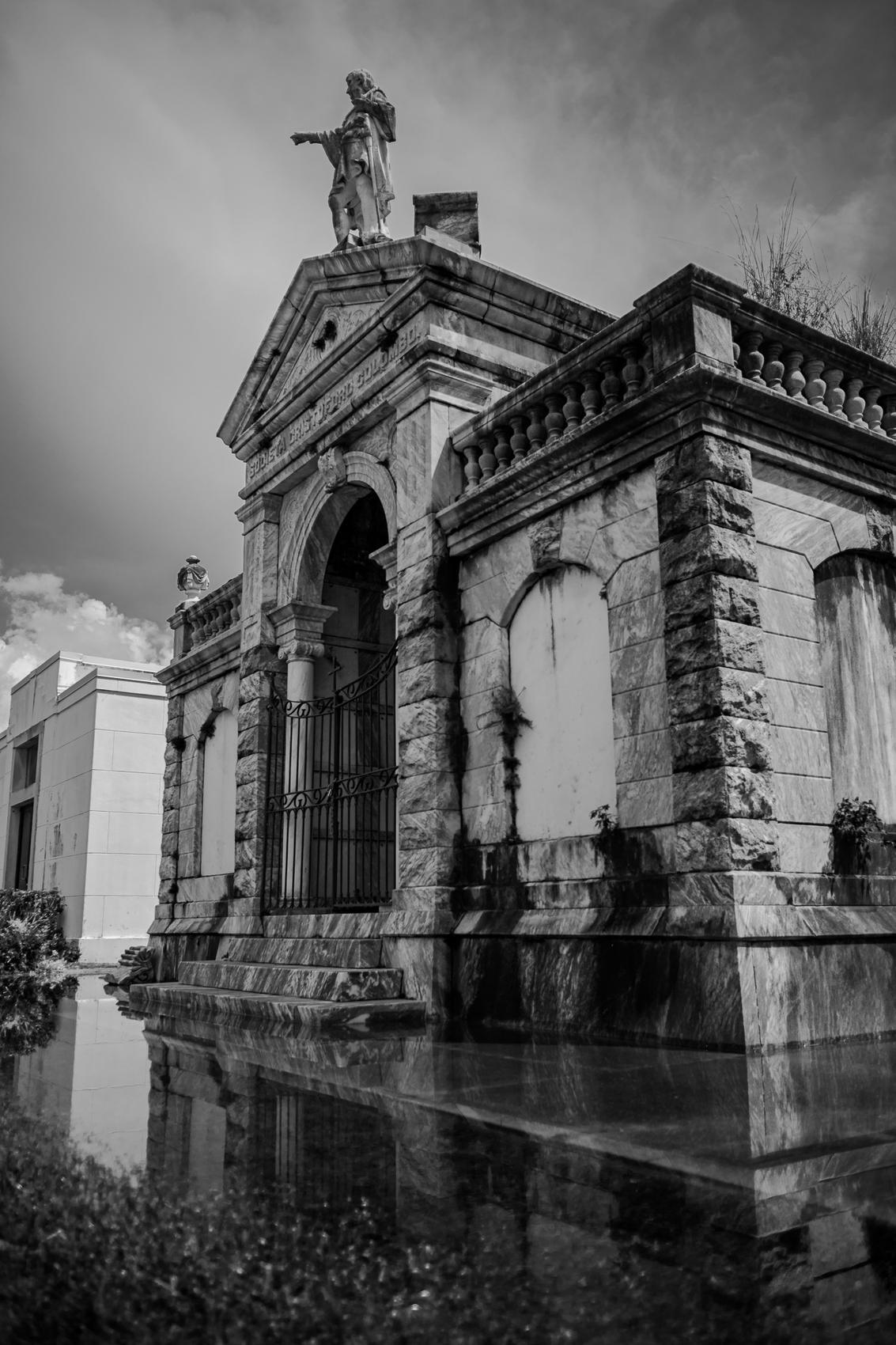
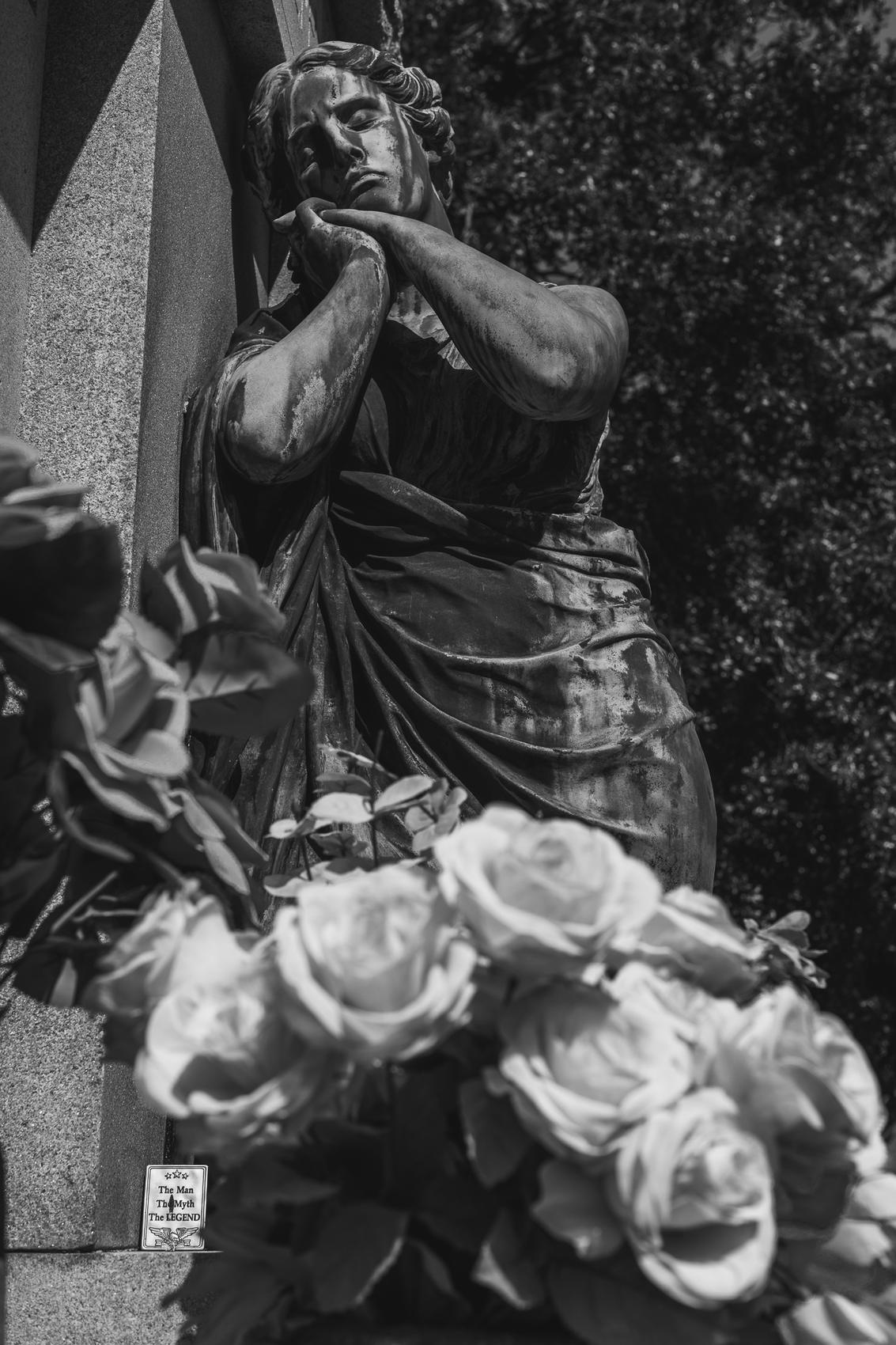
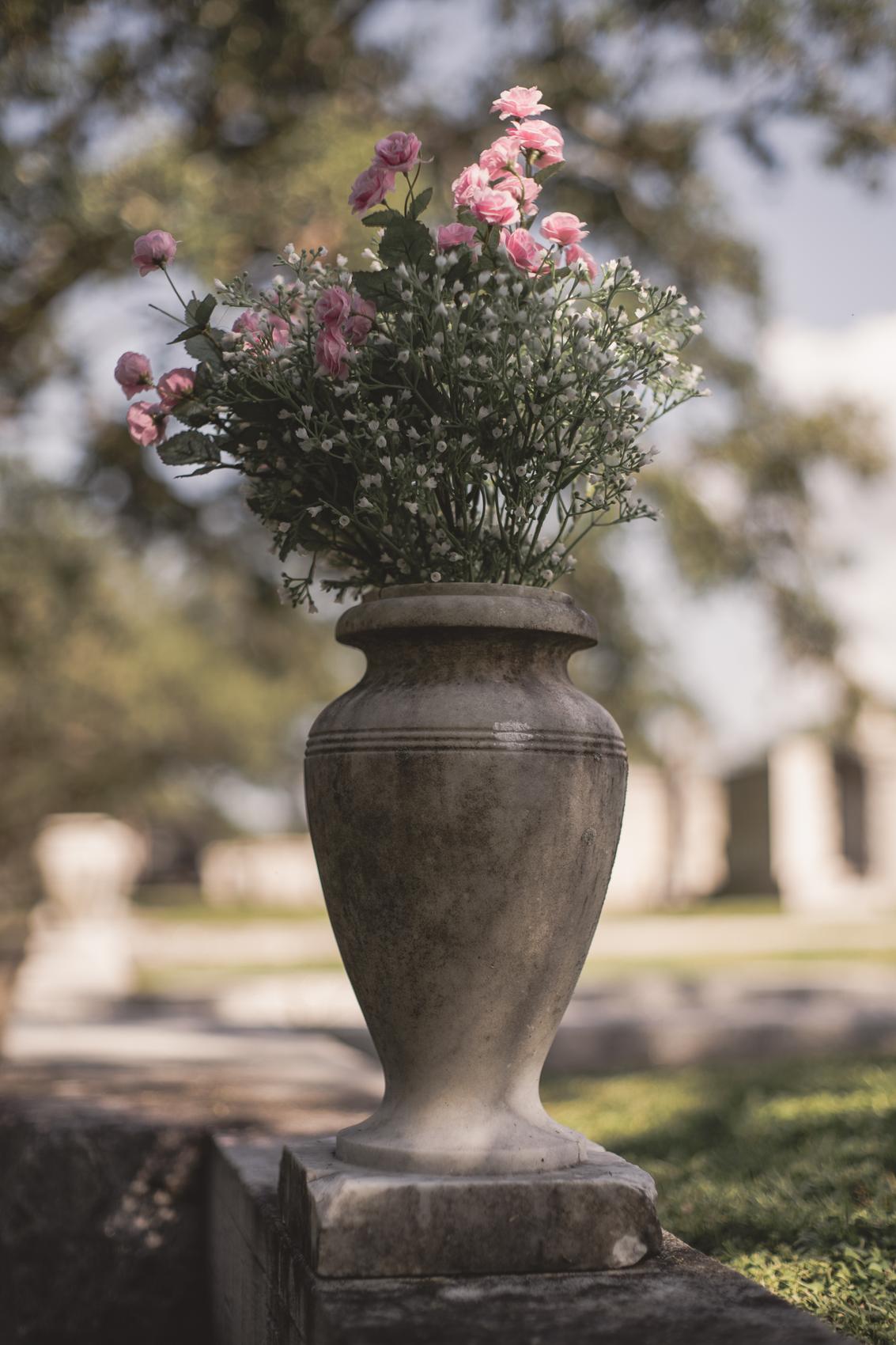
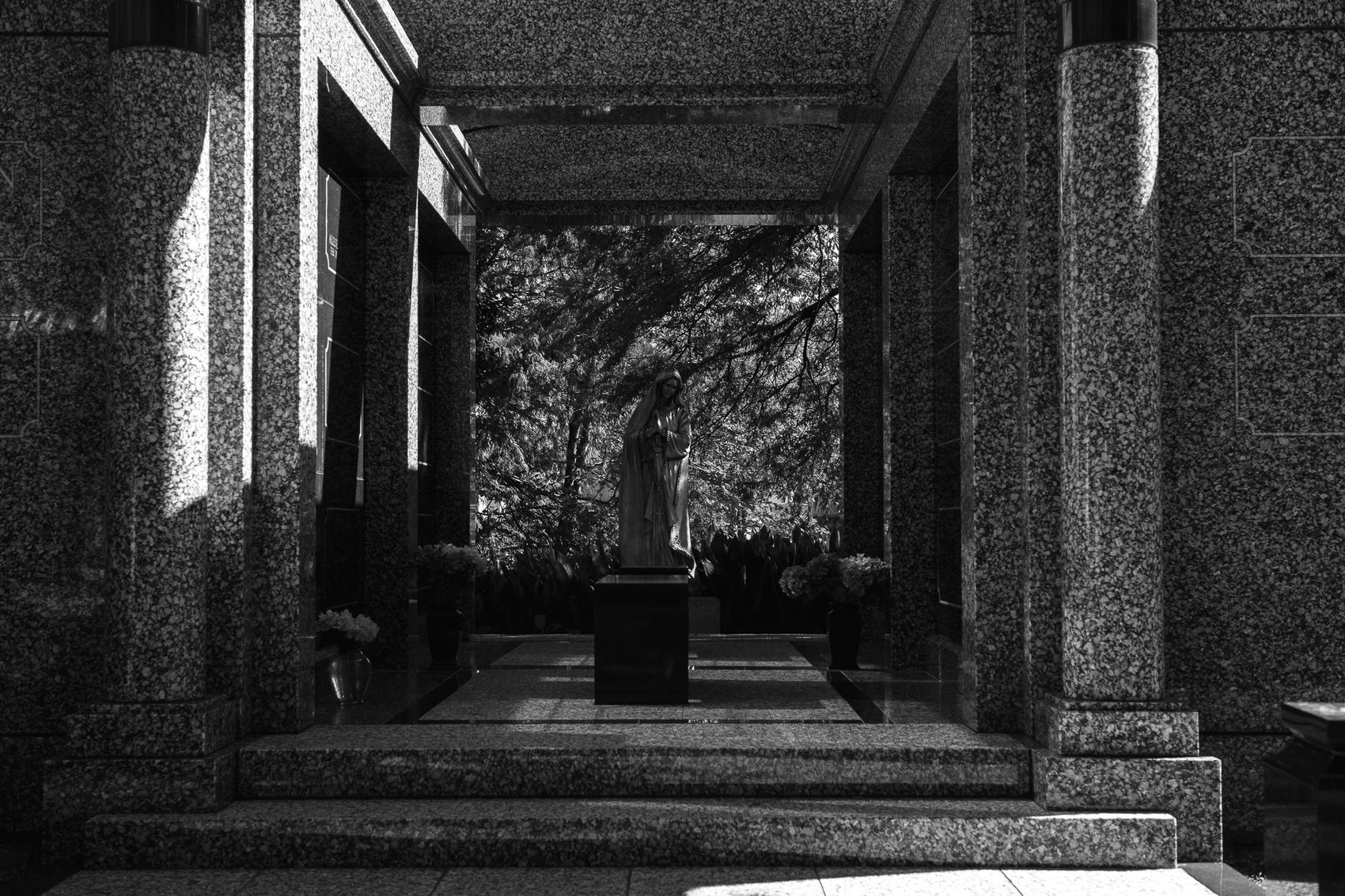
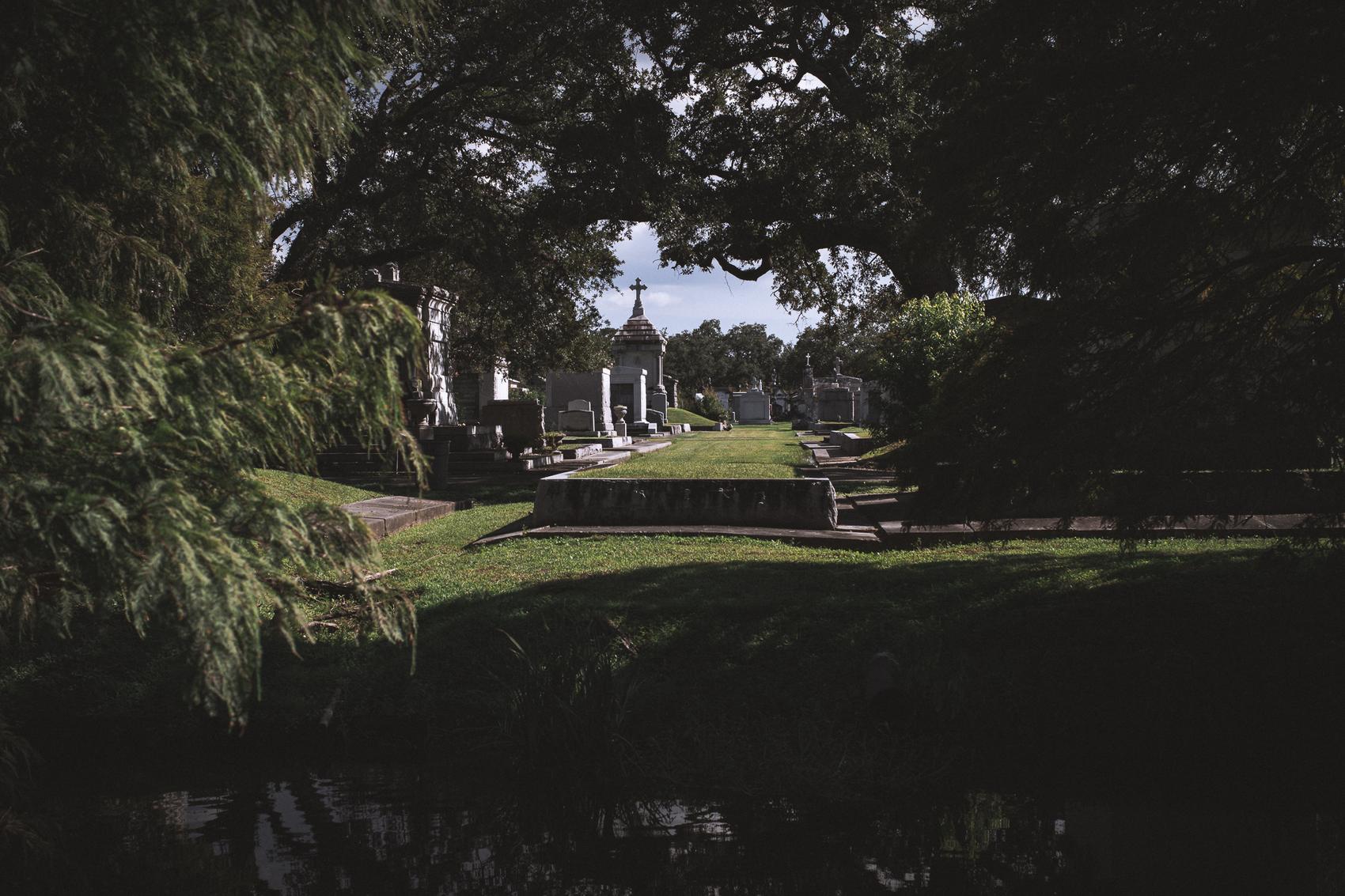
There was something peaceful about showing up there on Sundays, even though it was brutally hot. The place is quiet and nobody’s in a hurry. After a few visits I started noticing the same things every time: the angels, the urns, the dried roses left on the steps.
After that first walk, I realized that I needed more than just the 28mm. Yeah, I could have brought out my modern lenses, my 35-150 would have covered pretty much everything, but I felt like this project was calling for something different. I started it with a vintage lens and felt that I needed to keep going with vintage kit.
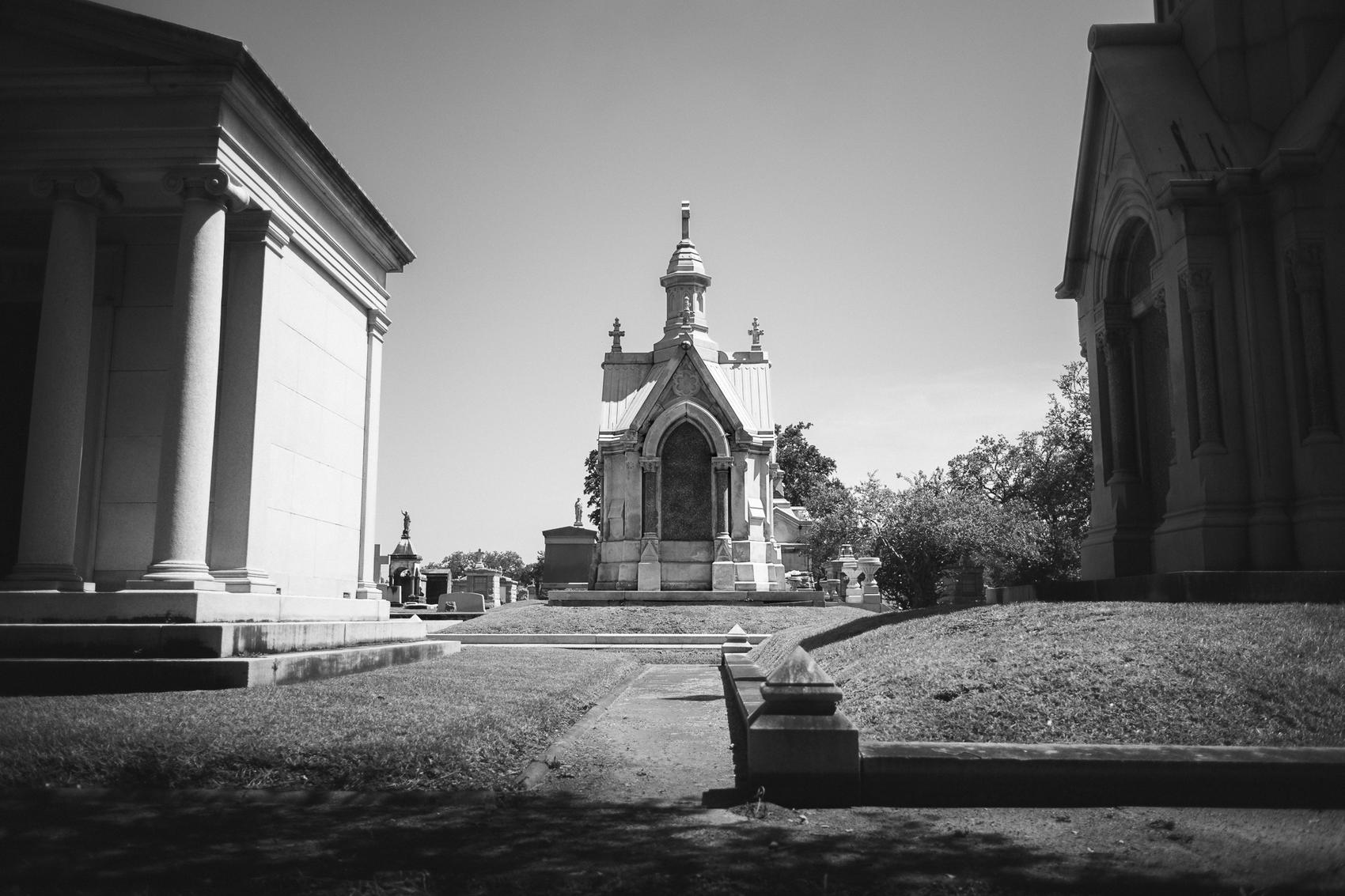
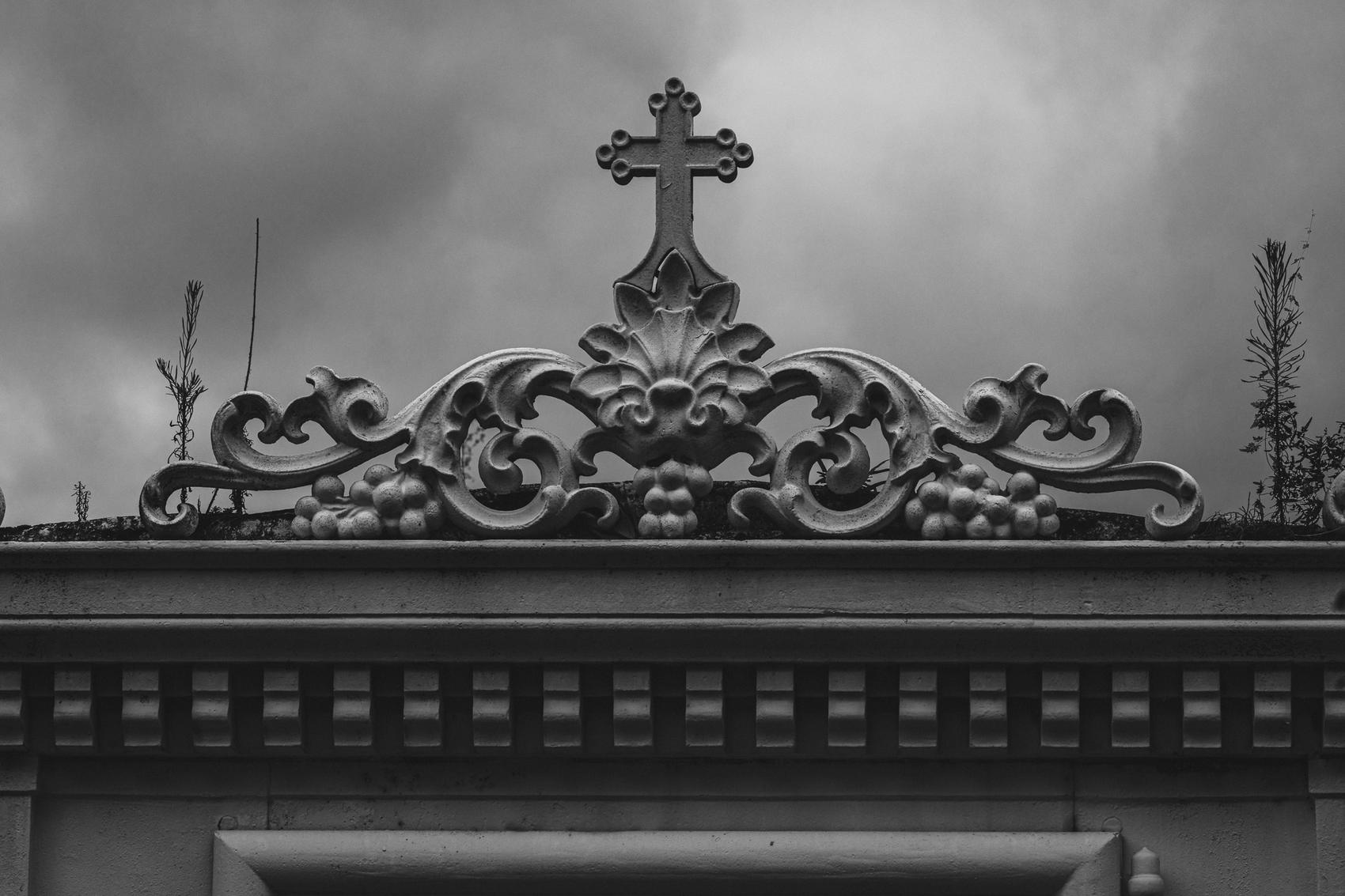
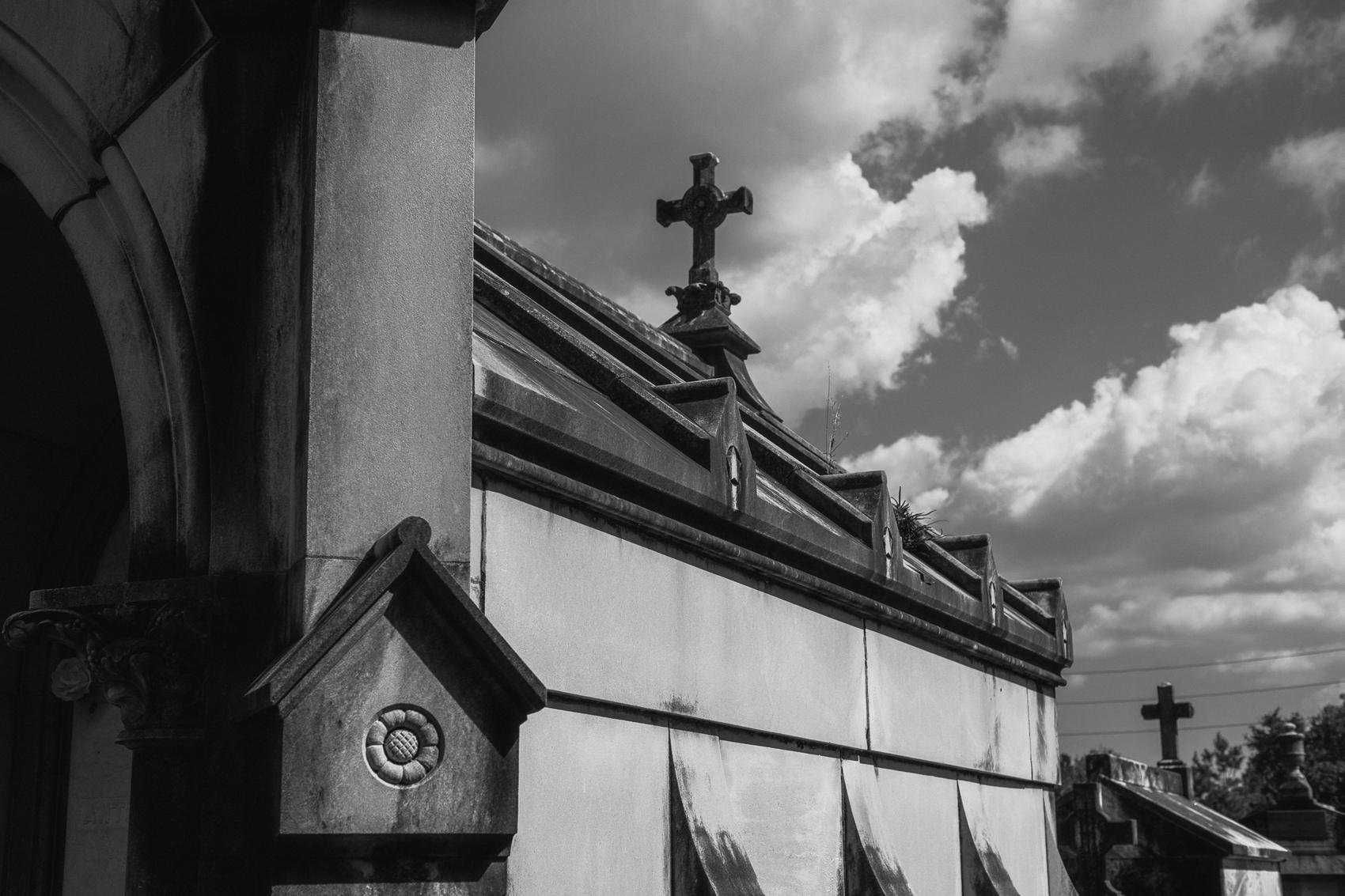
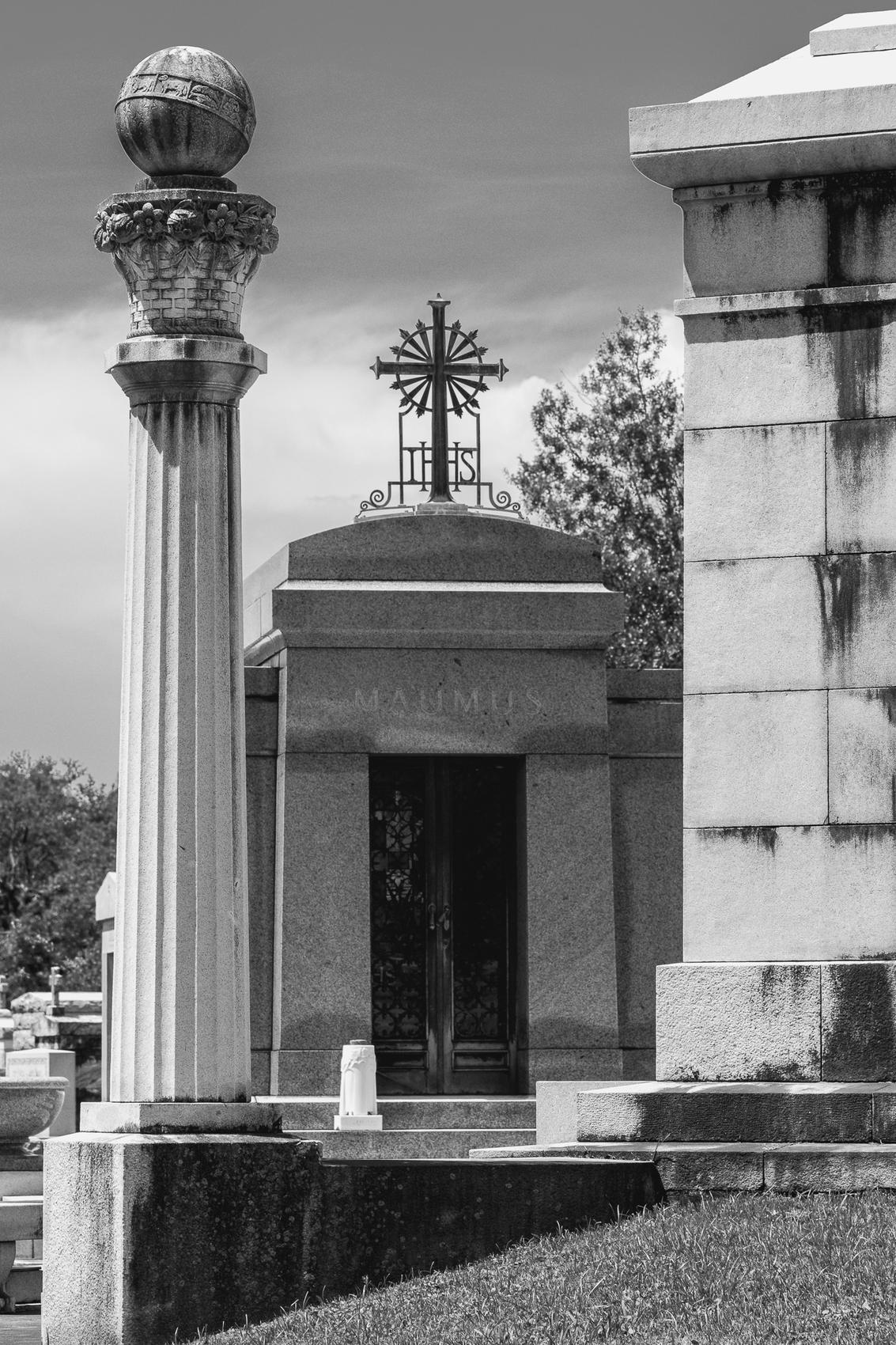
So I found a Minolta MC Tele Rokkor-PF 135mm f/2.8 to reach the tops of the graves. I also wanted a more natural focal length, so I picked up a Super-Multi-Coated Takumar 50mm f/1.4, which is one of my favorite lenses right now. That old glass has a yellow tint to it and produces some beautiful warm tones.
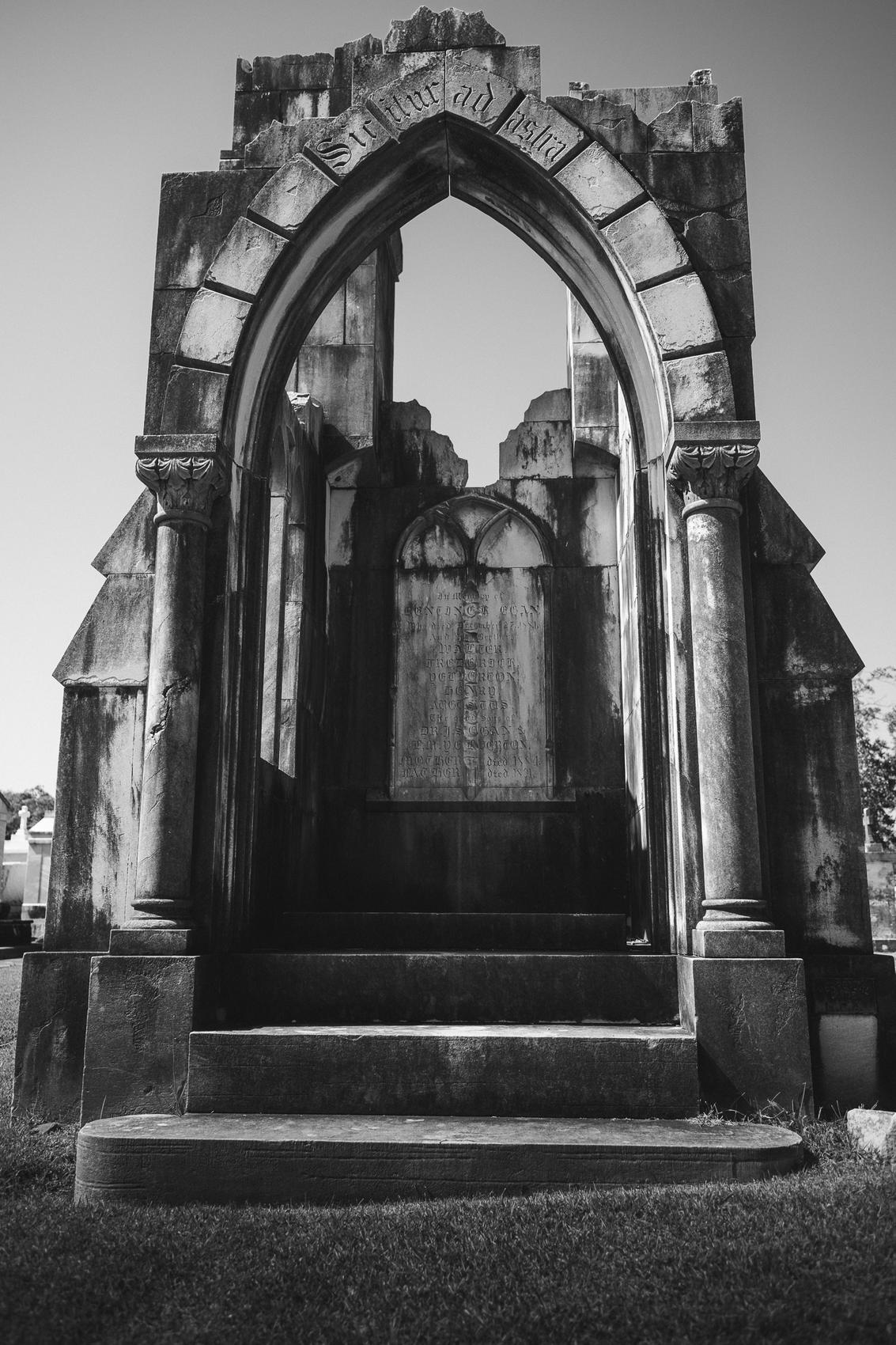
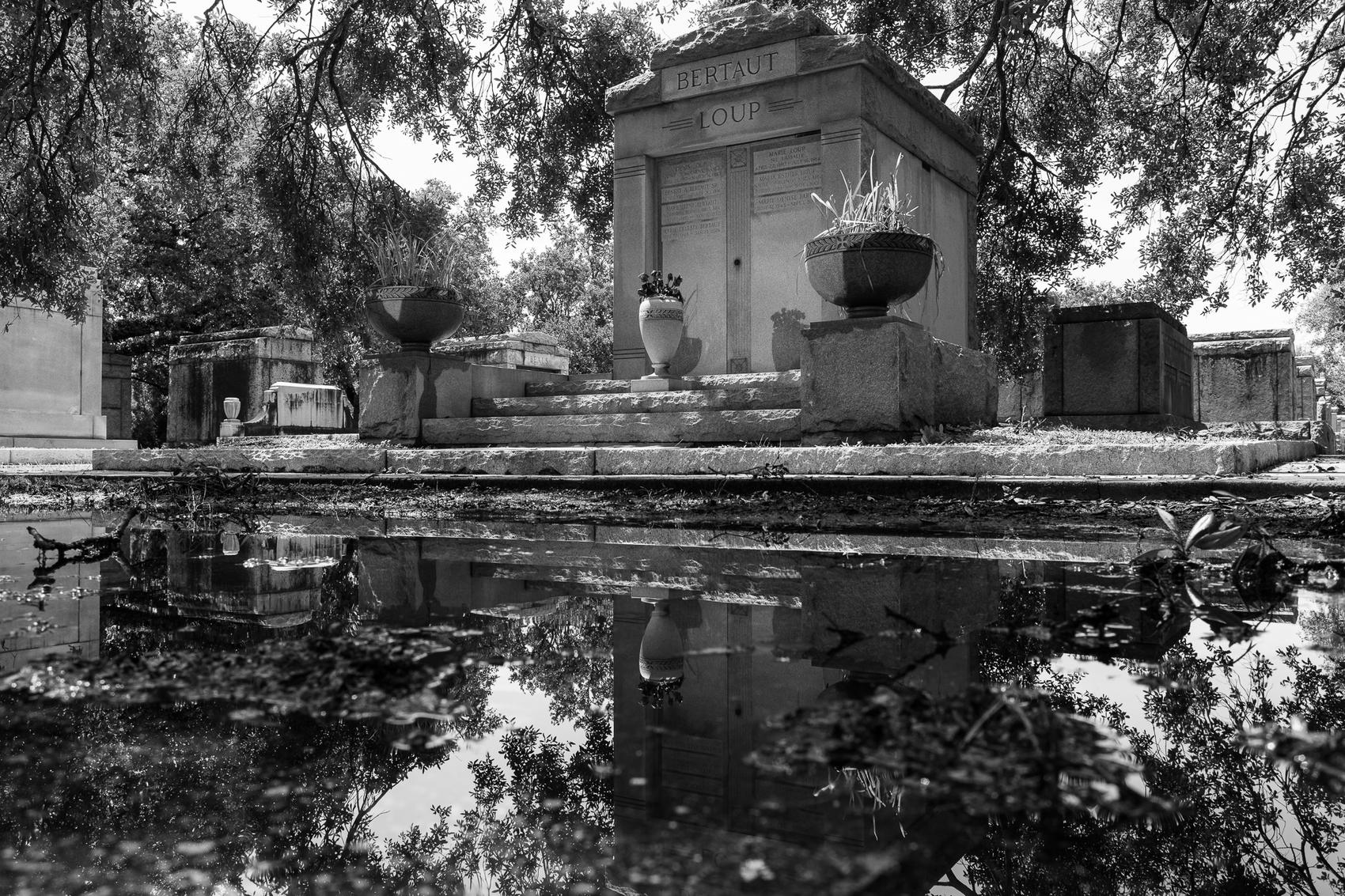
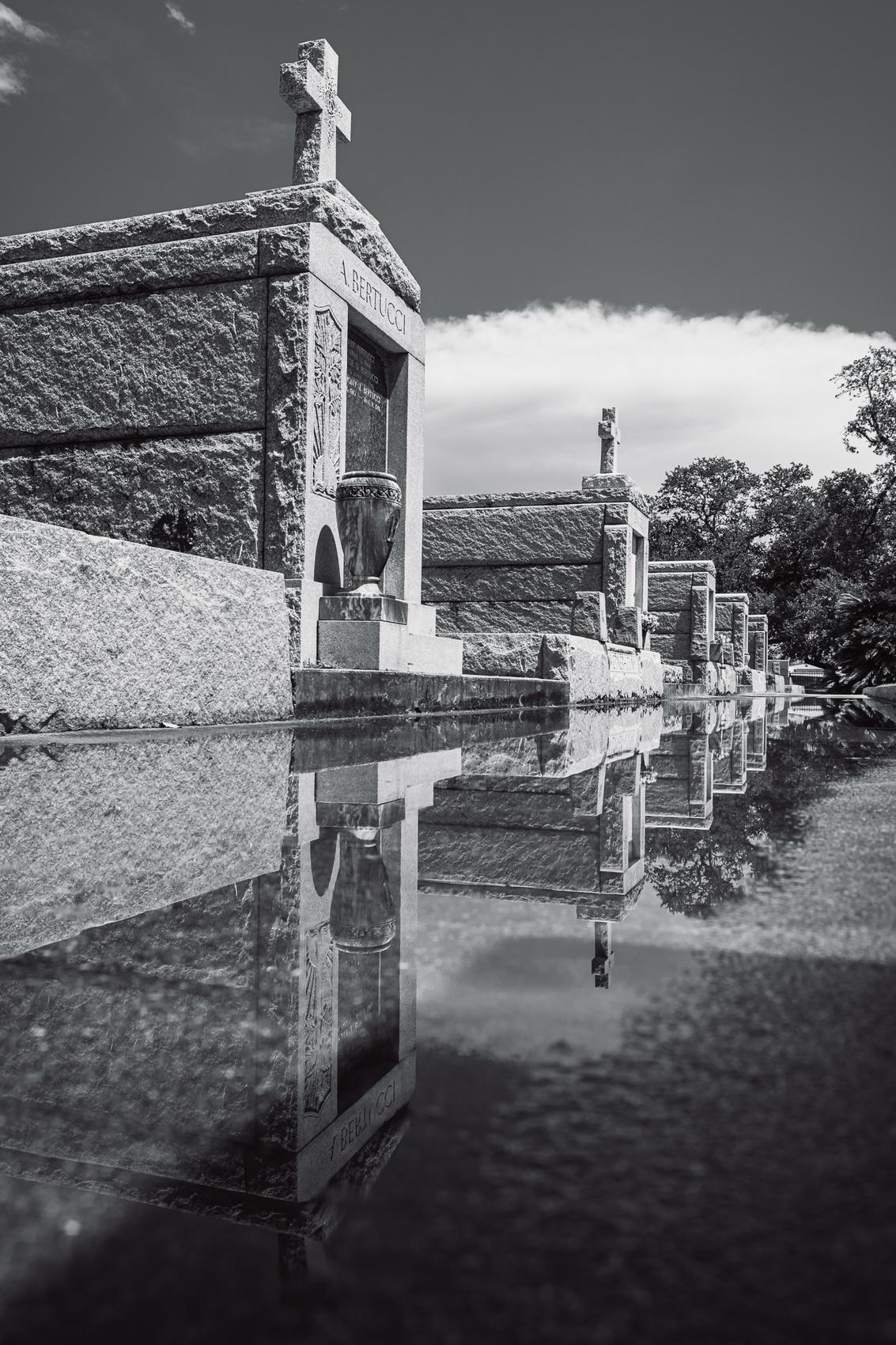
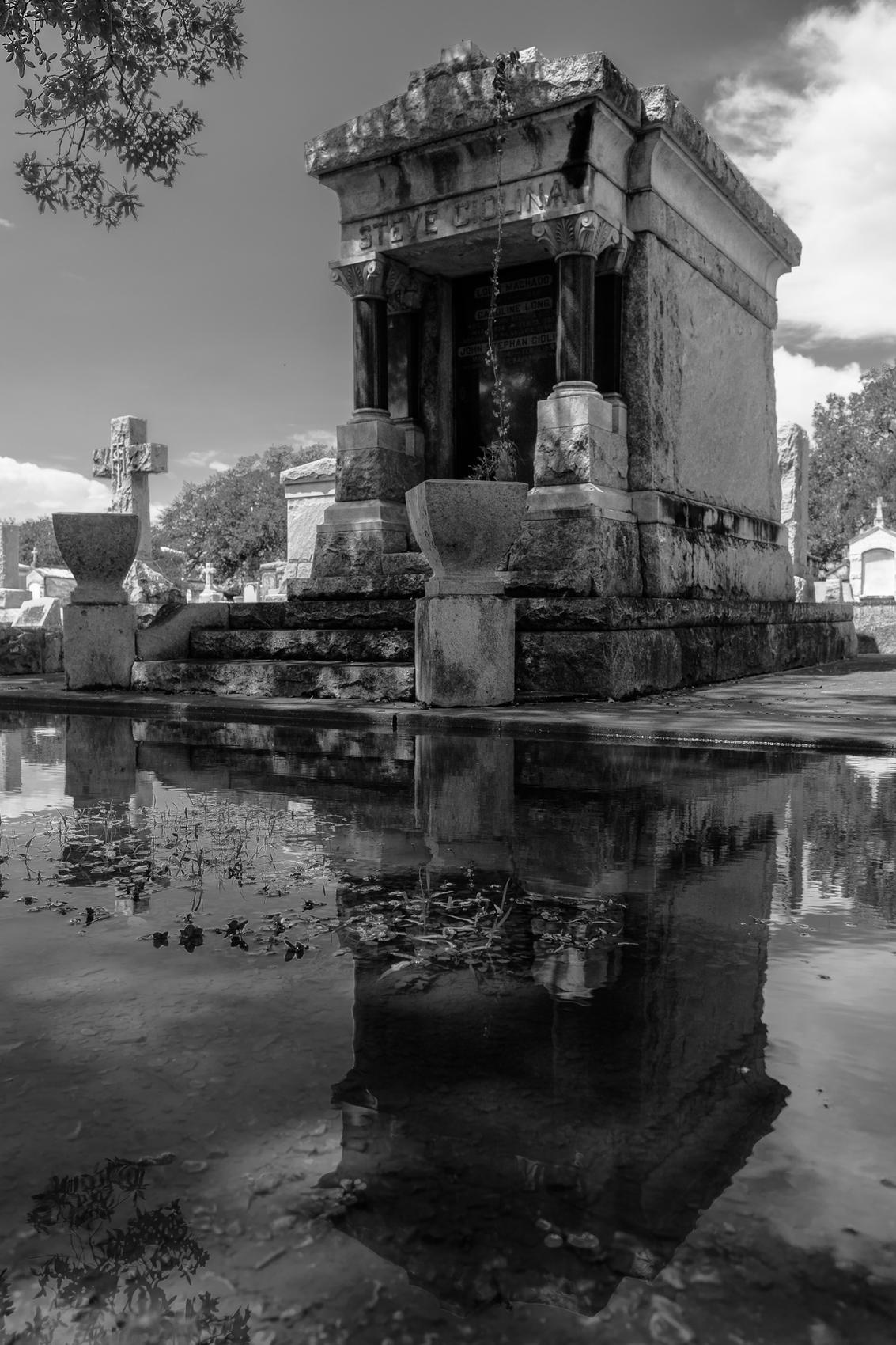
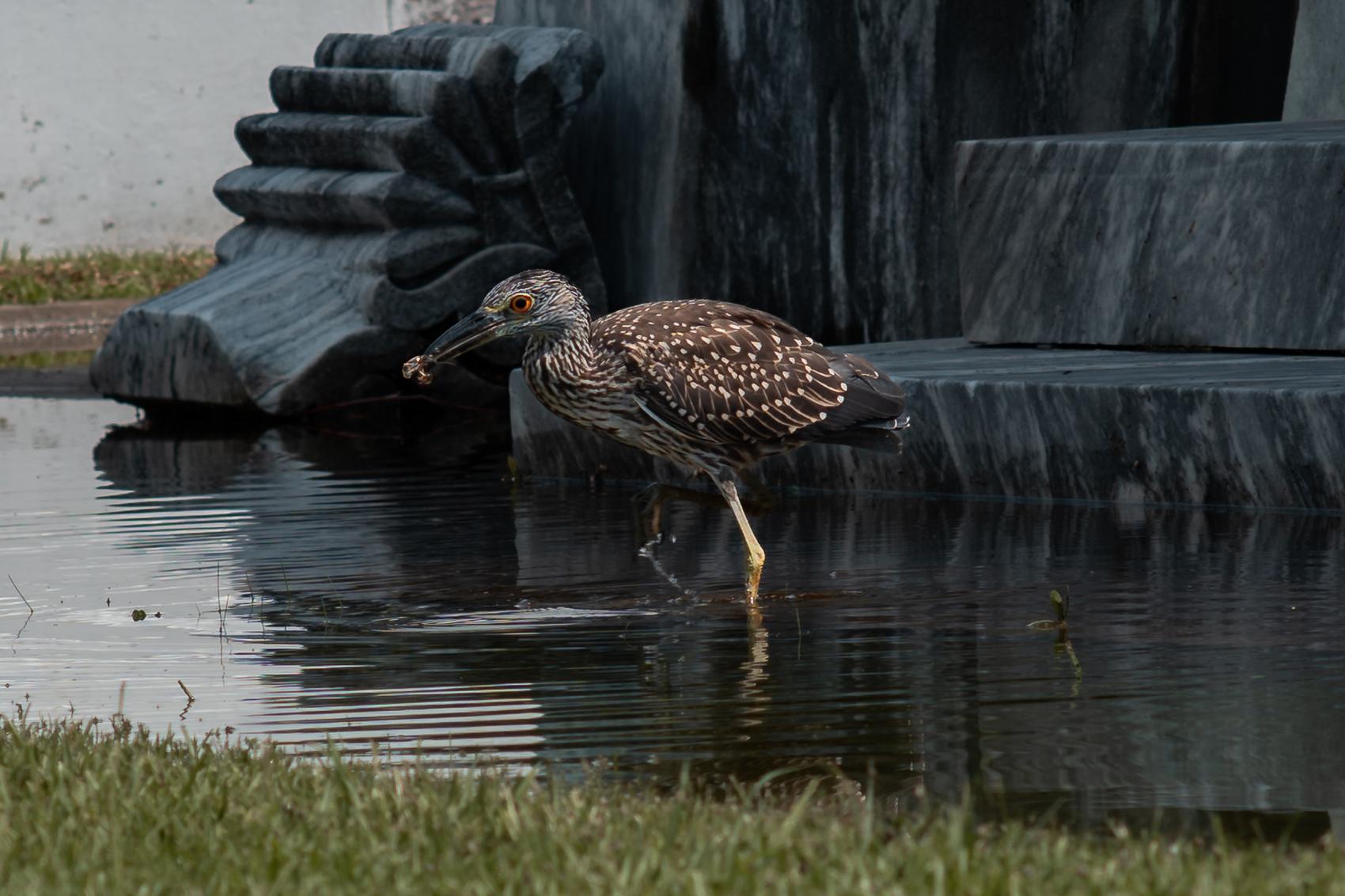
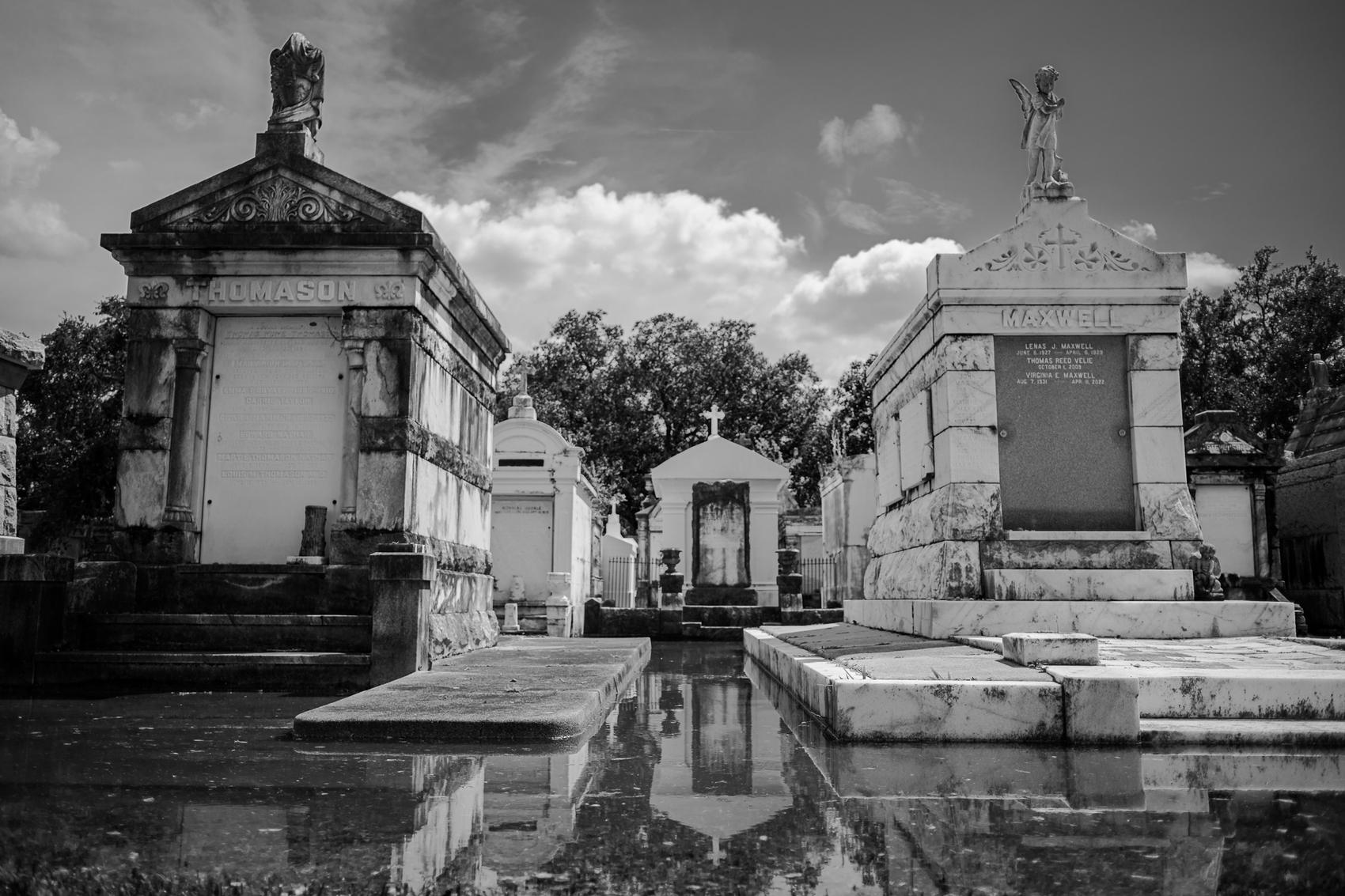
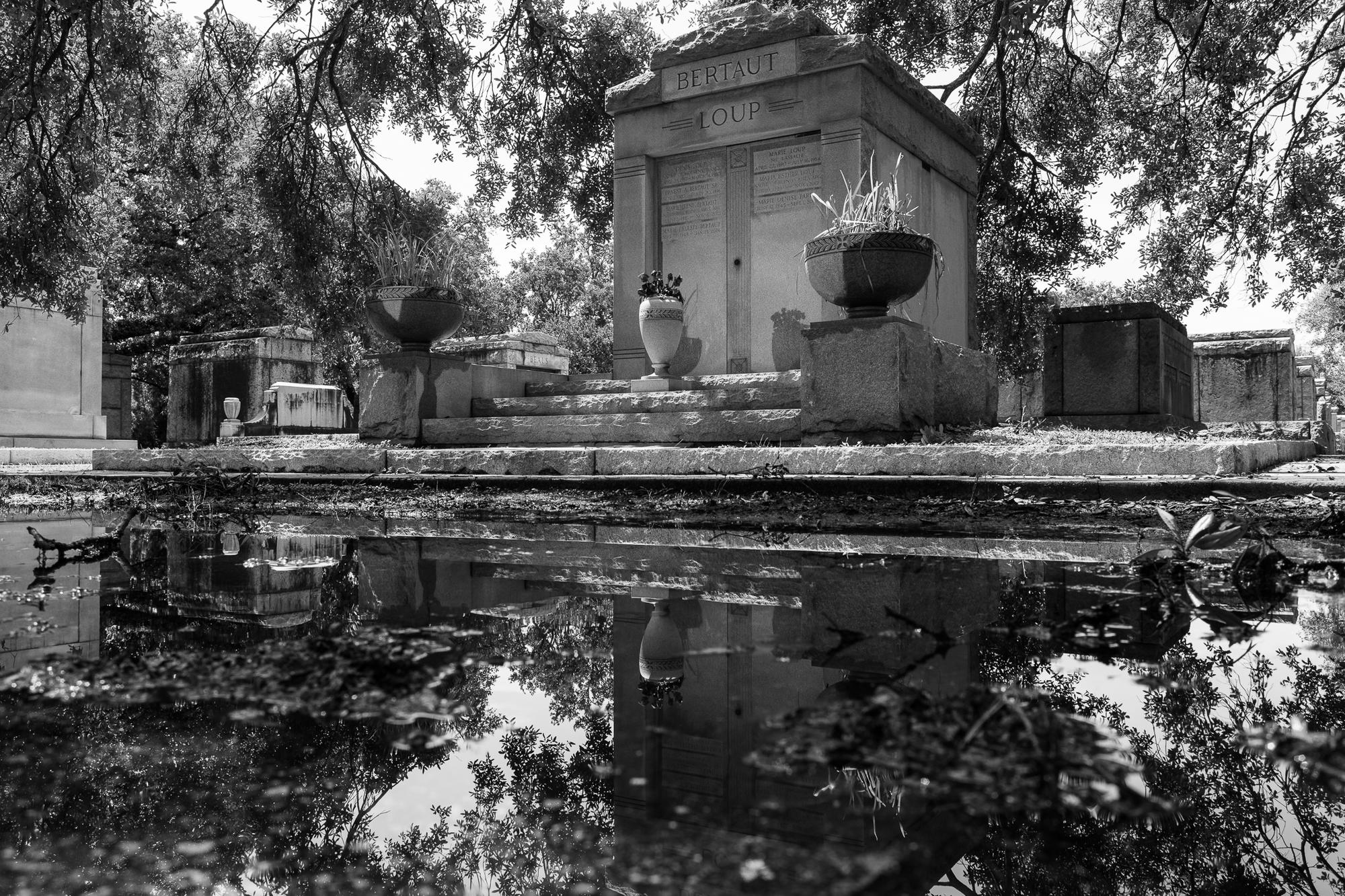
Each Sunday I would rotate which lens I brought, I thought it would be a good practice to only have one focal length to work with. But one Sunday after a thunderstorm I quickly realized that I had brought the wrong lens since the grounds were basically flooded out. I turned around, went back home, and grabbed my entire vintage lens kit. The standing water turned into mirrors, with tombs and vines reflecting onto each other. A night heron was wading through the water with its catch in its beak, right at the foot of one of the mausoleums. It’s still one of my favorite shots from the whole series.
On almost the last day of summer I wanted to try something new. I brought that old pawn shop film camera loaded with a roll of Fujicolor 200, to see what the cemetery would look like on film. This was also the first time that I would shoot film and figured since I had practiced manual focus at this cemetery all summer, practicing shooting film just felt right. No screen, no histogram, a light meter with the wrong type of battery in it and unsure if that camera had any light leaks.
I spent the entire day thinking I was capturing images on film, but when I got back home to take the roll out, I realized that I had spooled the film wrong and never advanced past the first frame. Man that stung, but it didn’t take away from the walk.
I went into this summer with one rule for myself: go out with the camera at least once a week, and if I come back with nothing, it still counts as a win. The promise is the walk, not the keepers. That day is where the rule finally sank in. Some walks I came home with photos I loved, and one day I came home with a blank roll of film. Both served a purpose, and both were worth the trip out.
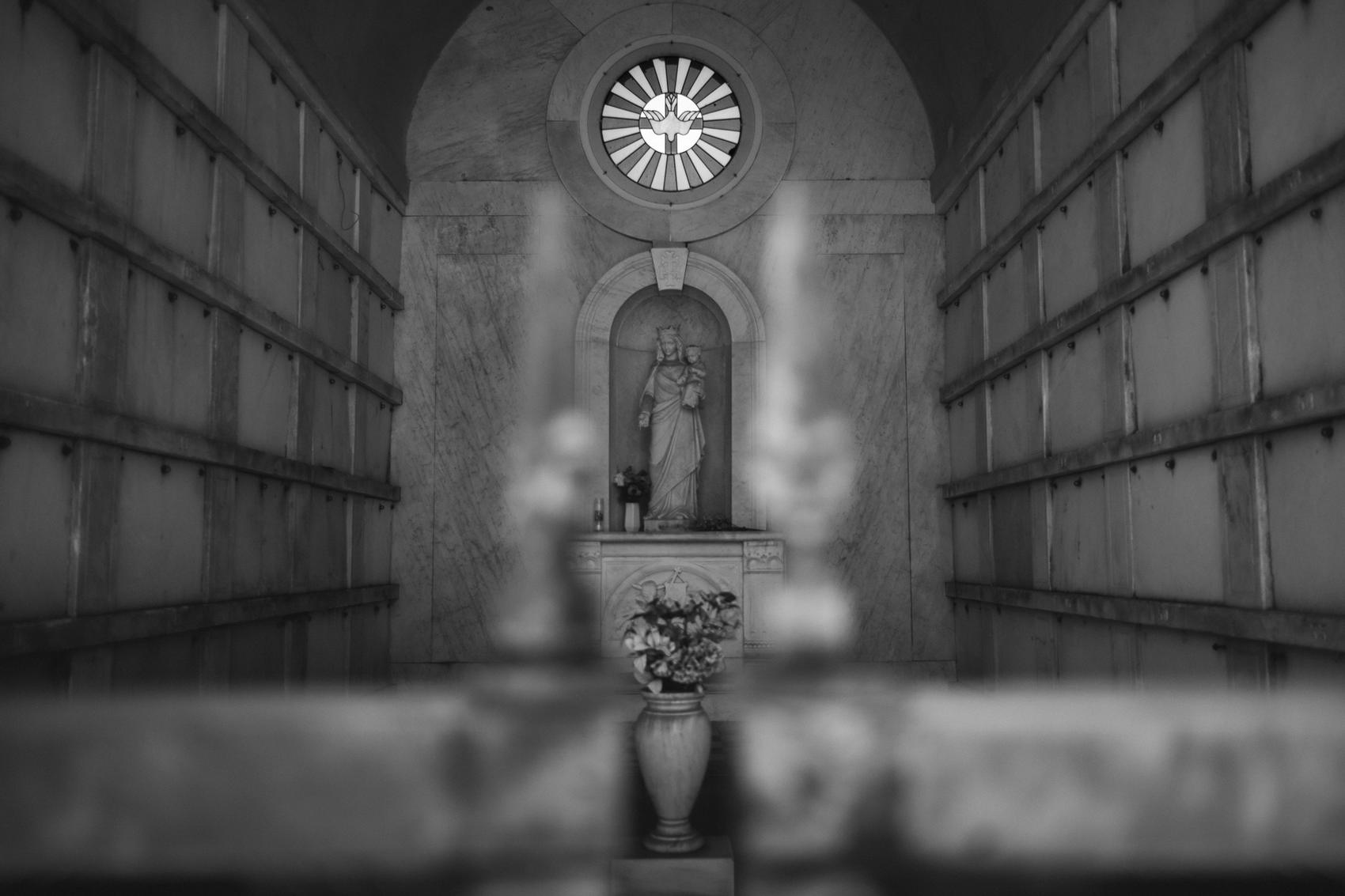
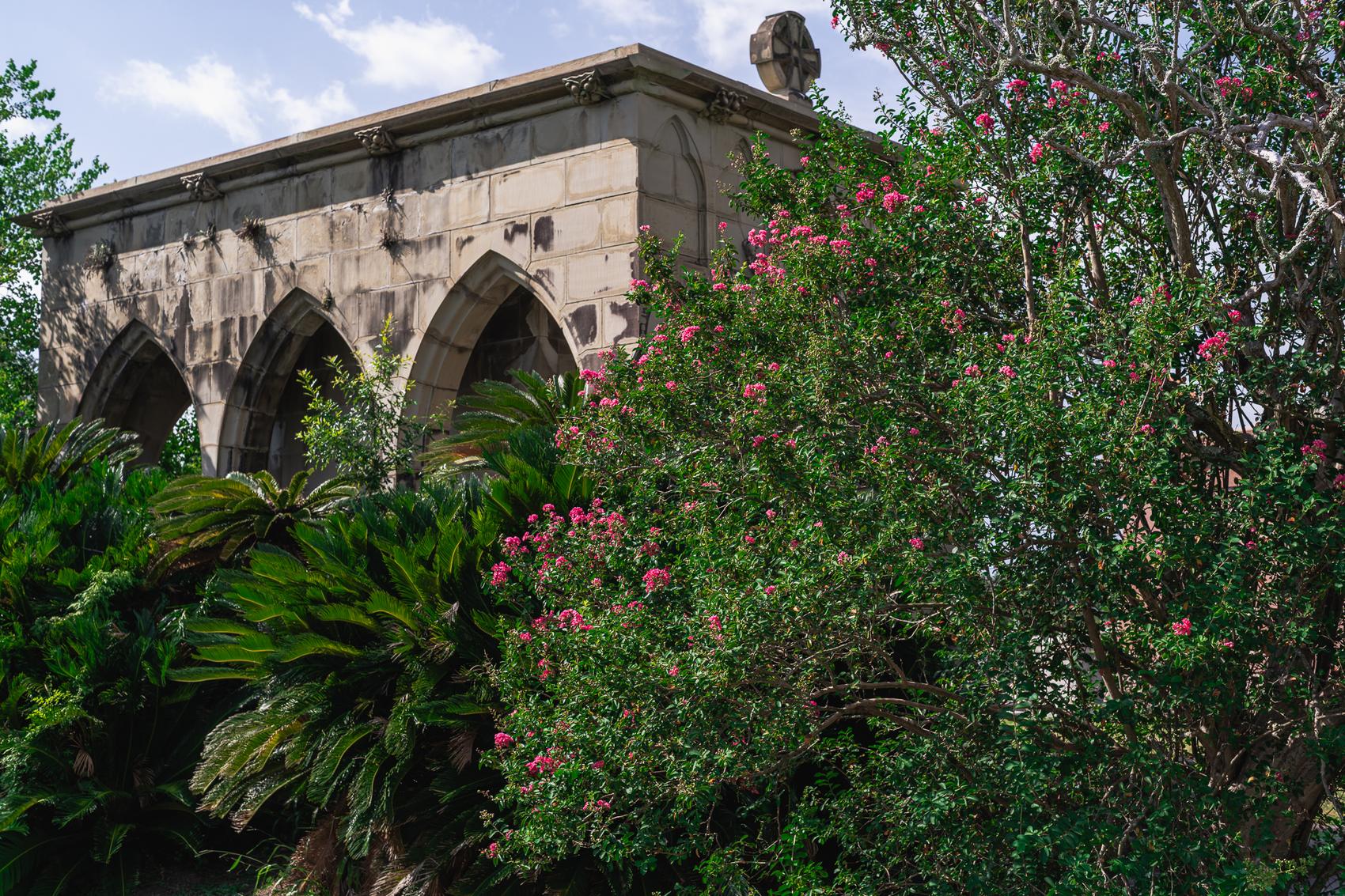
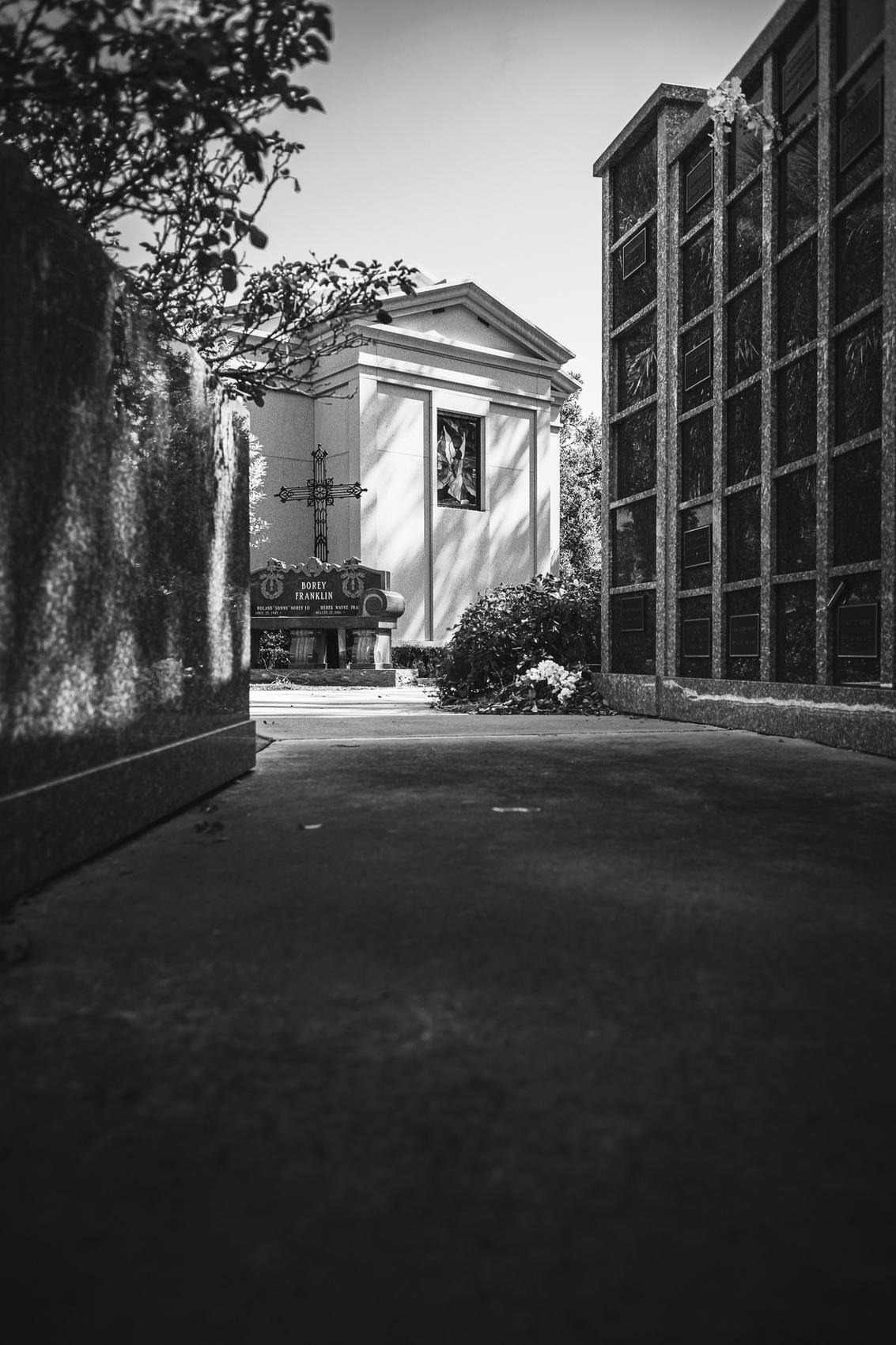
I don’t feel like I’m done with this place yet. I’m still determined to capture it on film and I’m wanting to turn this into a year-long project, seeing the same angels, urns, and flowers go from vibrant to dried up, the stained glass behind the mausoleum doors as the seasons change.